

 Italiano
 Français
Alice Tai

Movement & Well-Being Atlas
A guide for your first gym experience and for understanding your own path: training, nutrition, recovery, and possibilities to explore, with diagrams, useful facts, and sources.
General information, not individual prescriptions. Consult the relevant healthcare professionals about medical conditions, medication and diets. Consultation dates appear beside each bibliography entry.
01
A voice from literature
the journey of a thousand li commenced with a single step.
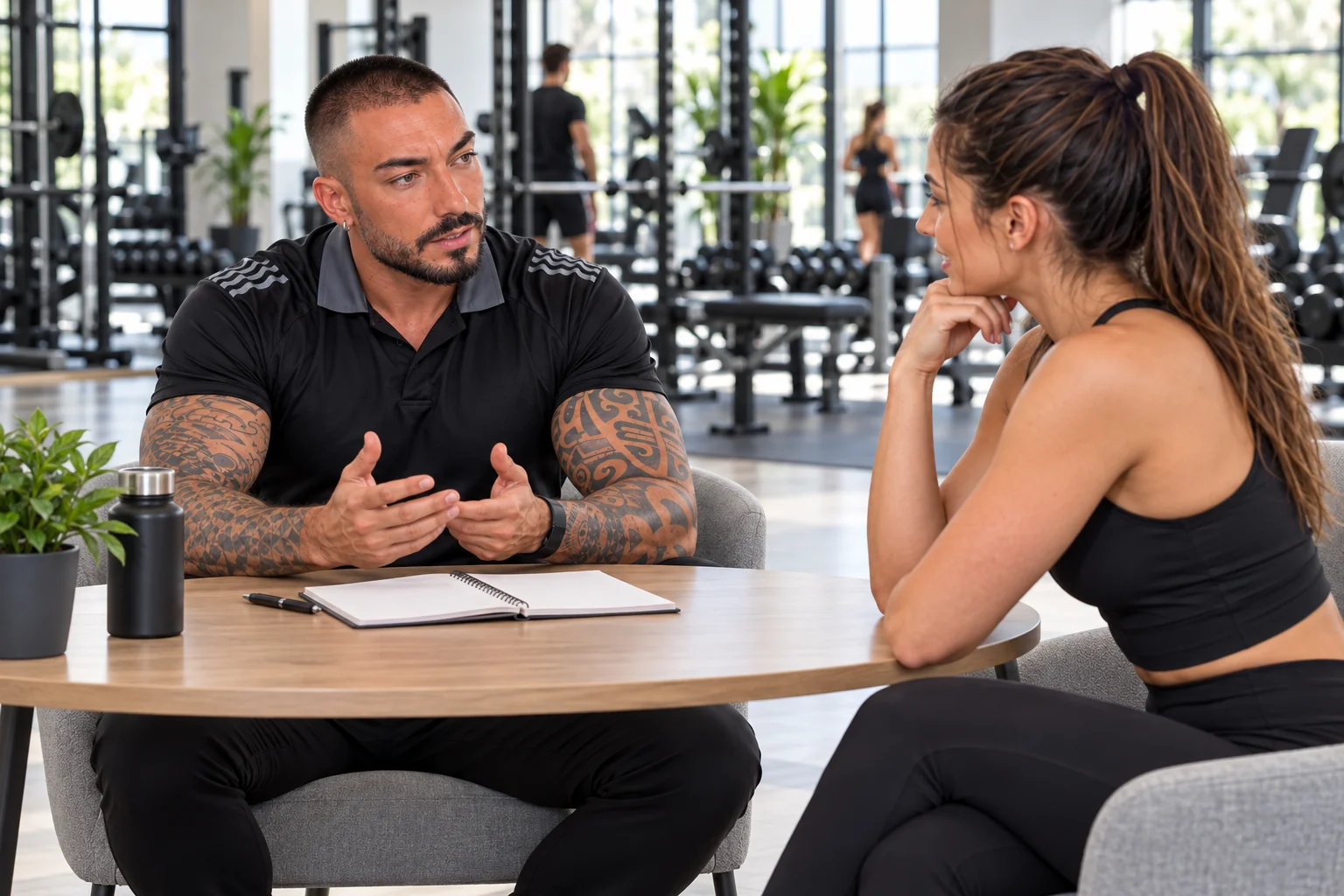
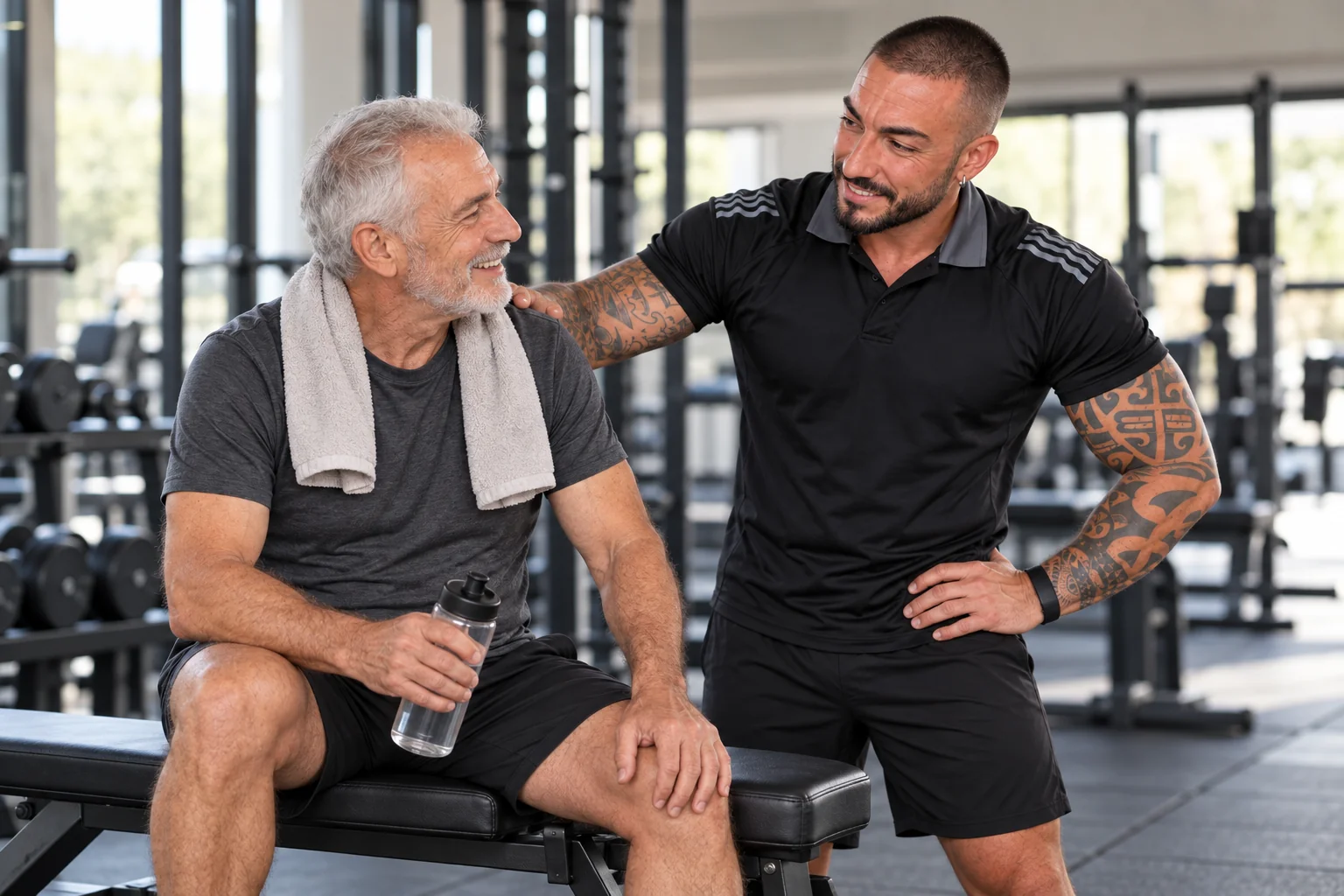
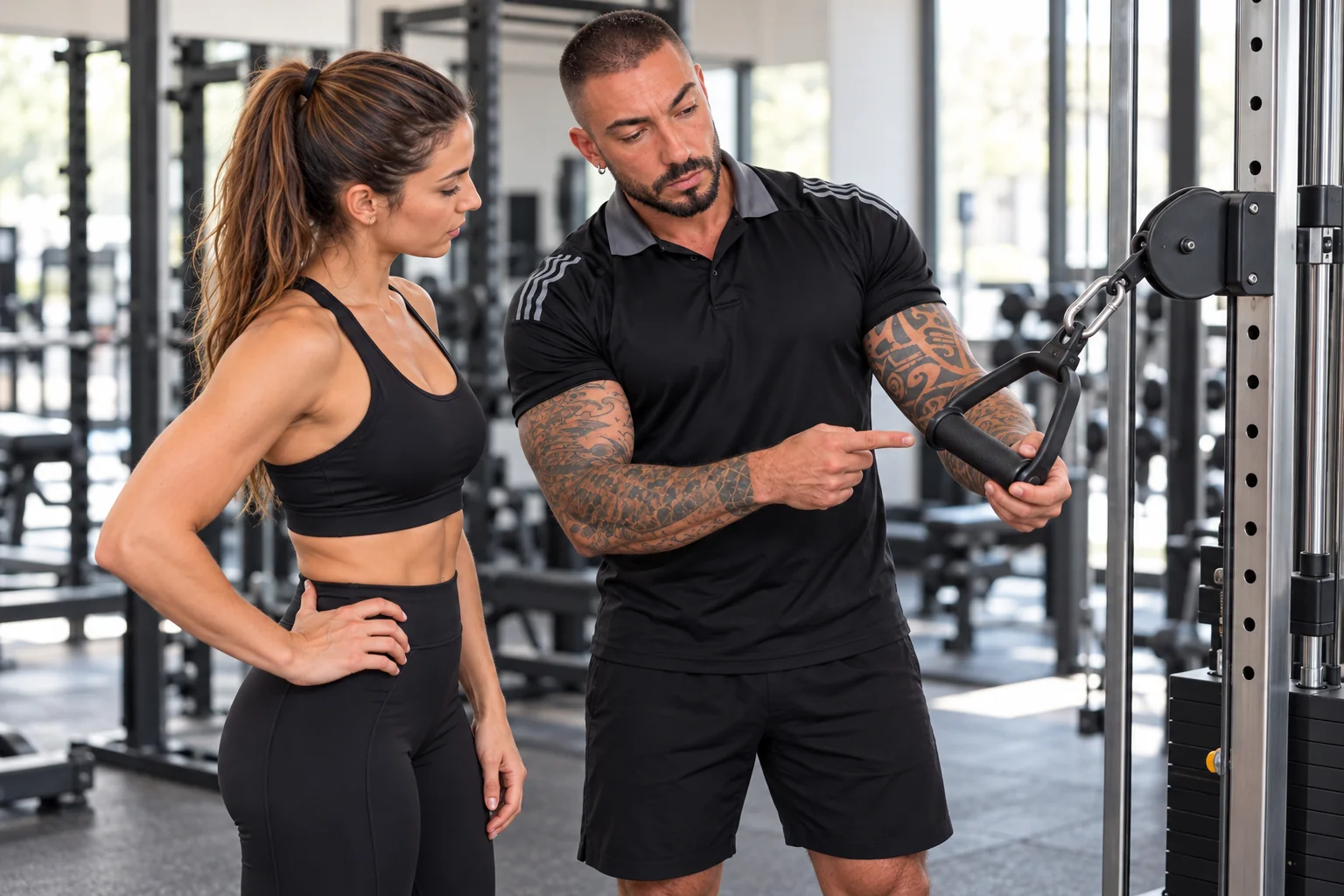
At first, a gym can feel like a collection of unfamiliar machines. A personal trainer helps explain their purpose, adjust seats and supports, observe your movement and choose a load you can control. Copying the person beside you is not a reliable starting point: experience, body proportions and personal circumstances differ. Early sessions should build independence through understandable explanations and feedback while you practice, leaving room to ask questions without feeling rushed or judged. [2]
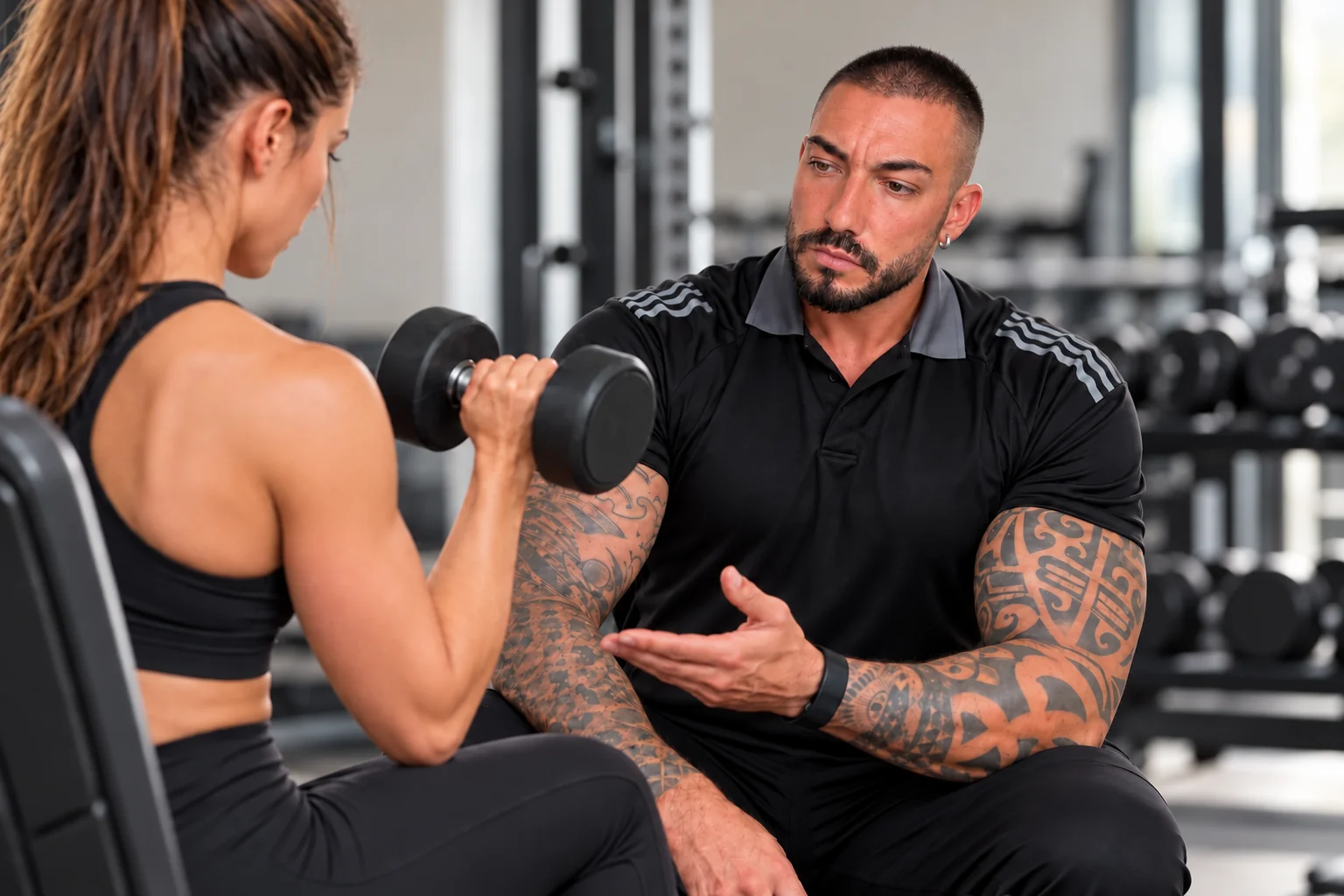
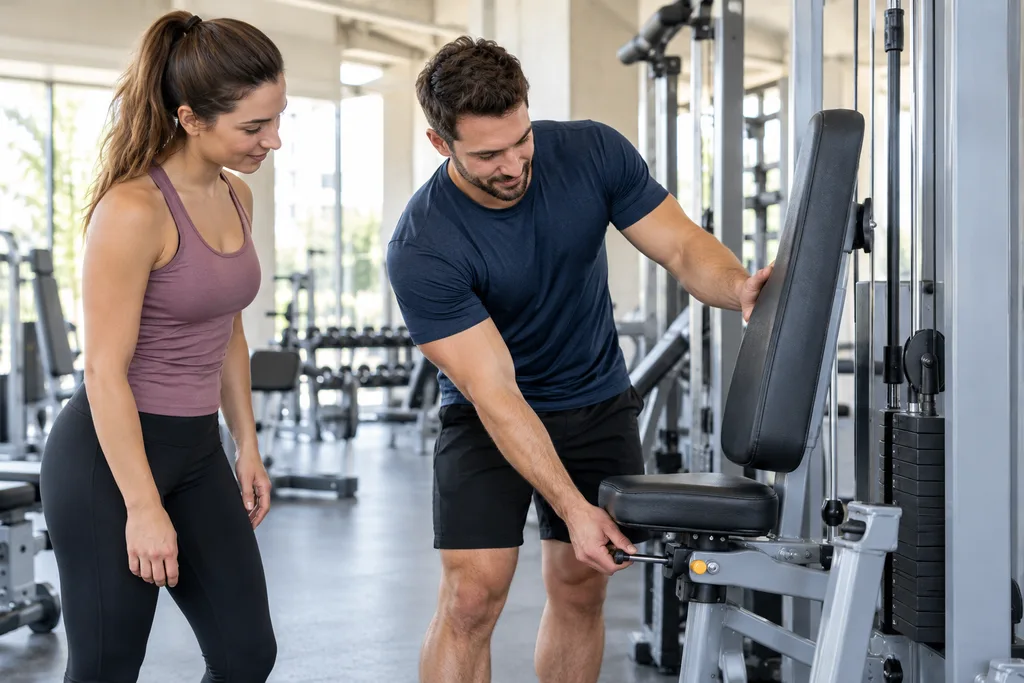
Excessive weights and incorrect equipment use can contribute to strains and other injuries. If control or the agreed technique breaks down, review the load with your trainer. Picking up and returning weights also requires care. Do not ignore pain to finish a set: stop the movement and ask for help. Supervision helps identify mistakes, but cannot remove every risk or replace a healthcare assessment. Progress is about learning to manage the task, rather than proving how much you can lift immediately. [2]
Control first, then load
A repetition is one performance of a movement; a set groups repetitions together; recovery is the planned pause before the next effort. Warm-up and rest belong to the session, rather than being wasted time. Ask about anything unclear, from the starting position to breathing. Do not increase weights to compete with somebody else. A sensible progression considers movement quality, experience and your response to previous sessions, with instructions you can understand and apply when practicing more independently. [2]
Years in a gym are only one clue. Technique, recent consistency, goals, recovery, and health matter more. For healthy adults, the 2026 ACSM guidance supports resistance training involving the major muscle groups at least two days a week. It does not set a minimum number of monthly personal training appointments. This table offers scheduling examples to discuss with Alessandro, rather than prescriptions or package terms.
The listed minimums are starting points for these individual scheduling examples, to be agreed on together. They are not scientific thresholds or requirements.
On smaller screens, scroll the table to see the package.
| Approximate experience | Suggested schedule | Package to consider |
|---|---|---|
| First year / learning the basics |
| Premium 10 sessions |
| Why this pairing Premium is a starting point when the basics still need work: individual sessions, a personalized plan, and a progression plan support an organized, guided learning process. Agree on the actual schedule with Alessandro based on your independence and needs. | ||
| 1–3 years of consistent practice |
| Elite 20 sessions |
| Why this pairing Elite is a package to consider when you already train consistently but want ongoing support, direct access, and regular check-ins. Years in a gym do not determine the choice on their own. The support you need for your actual program matters more. | ||
| Over 3 years, with good independence |
| Standard 5 sessions |
| Why this pairing Standard is a starting point for independent trainees who want a personalized plan and an initial assessment. The monthly check-in in this example must be agreed on separately: Standard does not include recurring check-ins. If you need more supervision, Alessandro can discuss a different program. | ||
| Returning after a long break |
| Premium 10 sessions |
| Why this pairing Premium is one possibility for returning with a plan and guided progression after discussing your needs and circumstances. The length of a break alone cannot establish minimum PT days. Agree on the schedule after an initial assessment and, when needed, a conversation with a health professional. | ||
The package is a starting point to discuss with Alessandro based on your goals and preferred support. Session counts are package totals, not monthly allowances. Standard includes a plan and initial assessment, not the recurring check-ins in the example.
PT appointments count toward total training days; they are not automatically extra workouts. Four monthly appointments mean roughly one per week, without an obligation. Experienced people may prefer more supervision, and beginners may need guidance at every workout. There is no universal minimum or guarantee of safety. Agree on supervision, independence, and recovery. Children, pregnancy, disabilities, symptoms, and medical conditions require an appropriate individual assessment.
02
A voice from literature
I sing the body electric,
Pectorals, deltoids, lats, biceps, and quadriceps refer to different muscles or areas, not types of people. This map helps you read a plan and ask more precise questions. It selects groups commonly mentioned in gyms: movements involve muscles working together, and the listed functions are examples rather than a complete anatomy lesson. “Core” is a practical term for the trunk system, not one muscle or only the visible abs. [5] [6] [7]
A map to find your bearings
Twelve groups to help name what you train. Select a number to read its function; the table links back to its position on the map.
The two isometric views show a superficial anatomical model. Dashed contours follow the parts of the model that are actually visible and respect overlapping surfaces. Number10 links to the deeper spinal erectors, which have no exposed surface in this model. The head, hands, and feet retain the source’s simplified neutral surfaces. Muscle proportions and visibility vary between people.
| 1 Pectorals — locate on the map | Chest: help bring the arm forward and across the body. |
|---|---|
| 2 Deltoids — locate on the map | Shoulders: contribute to lifting and rotating the arm. |
| 3 Biceps brachii — locate on the map | Front of upper arm: bends the elbow and helps rotate the forearm. |
| 4 Abdominals and obliques — locate on the map | Trunk: several muscles contribute to movement and stabilization. |
| 5 Quadriceps — locate on the map | Front of thigh: extend the knee. |
| 6 Calves: gastrocnemius and soleus — locate on the map | Back of lower leg: help push through the foot and raise the heel. |
| 7 Trapezius — locate on the map | Upper back: moves and stabilizes the shoulder blade. |
| 8 Latissimus dorsi — locate on the map | Back: helps move the arm backward and toward the body. |
| 9 Triceps brachii — locate on the map | Back of upper arm: straightens the elbow. |
| 10 Spinal erectors — locate on the map | Along the spine: contribute to trunk extension and control. |
| 11 Gluteal muscles — locate on the map | Pelvis and hip: a group contributing to hip movement and stability. |
| 12 Hamstrings — locate on the map | Back of thigh: help bend the knee and extend the hip. |
Heatsy Body Model, adapted by DDDEV LTD (2026), from Z-Anatomy (Gauthier Kervyn and Marcin Zielinski) and BodyParts3D. BodyParts3D, © The Database Center for Life Science licensed under CC Attribution 4.0 International. CC BY-SA 4.0. Graphic adaptation: isometric views, light and dark palettes, contours derived from visible parts, and accessible callouts. Adaptation distributed under the same license. Full source credits and modifications
The plate preserves front and back anatomical views; its bases are axonometric. Numbers identify regions, not exact borders or pain locations. The spinal erectors lie deeper: dashed marker10 locates their region without pretending to expose them in this superficial view. Muscle proportions and visibility vary between people. Dashed contours distinguish superficial groups; the dashed lower-back marks locate only the region of deeper muscles.
Anatomy: OpenStax, Tomáš Kebert, and umimeto.org (2020). Original plate and authors · CC BY-SA 4.0. Adaptation: separated figures, axonometric bases, dashed regional outlines, numbered callouts, and a translated key; original anatomical geometry preserved. Graphic adaptation distributed under the same license.
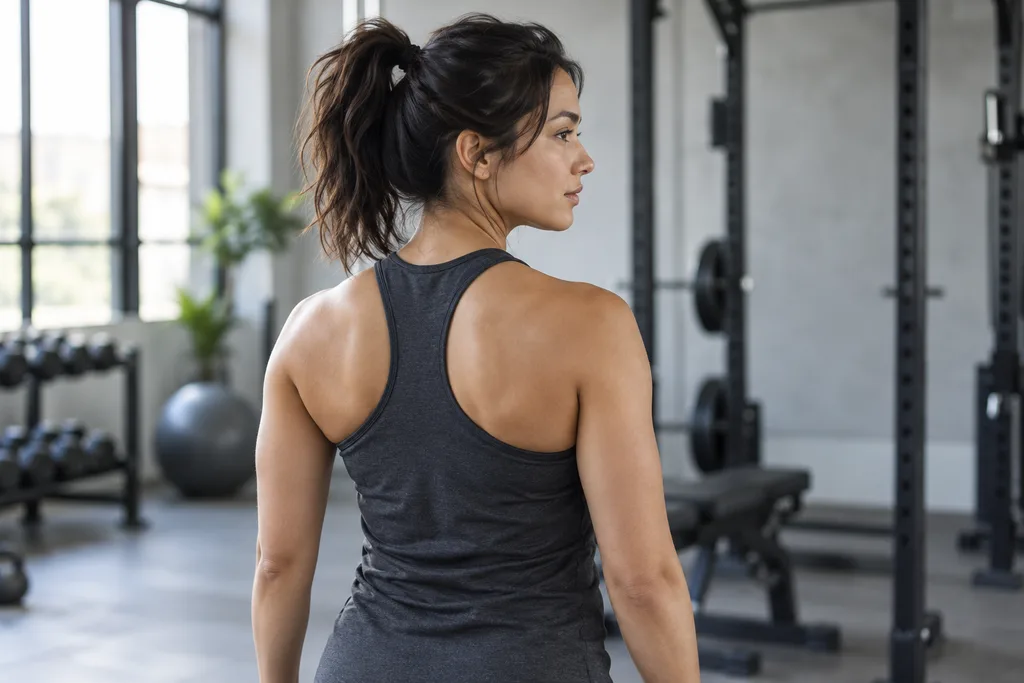
Ectomorph describes greater linearity of build; mesomorph greater musculoskeletal robustness; endomorph greater relative adiposity. These are traditional descriptions of body shape, and many people combine their characteristics. They are not three unchangeable destinies, metabolic diagnoses or instructions for choosing a diet. Training should reflect the actual person, their habits, goals and relevant assessments. A label chosen from a mirror or an online quiz cannot decide which exercises or foods you personally need. [11] [12]
Body mass index divides weight in kilograms by height in meters squared. It is a general indicator used in adults, but does not distinguish muscle from fat or measure overall health by itself. Childhood, pregnancy, and particular body proportions require different interpretation; after limb loss, the standard calculation can be misleading. Do not use it to diagnose yourself or assign an ideal weight. A healthcare professional considers context and other information, without turning a number into a judgment about a person. [13] [14] [15]
How BMI is calculated
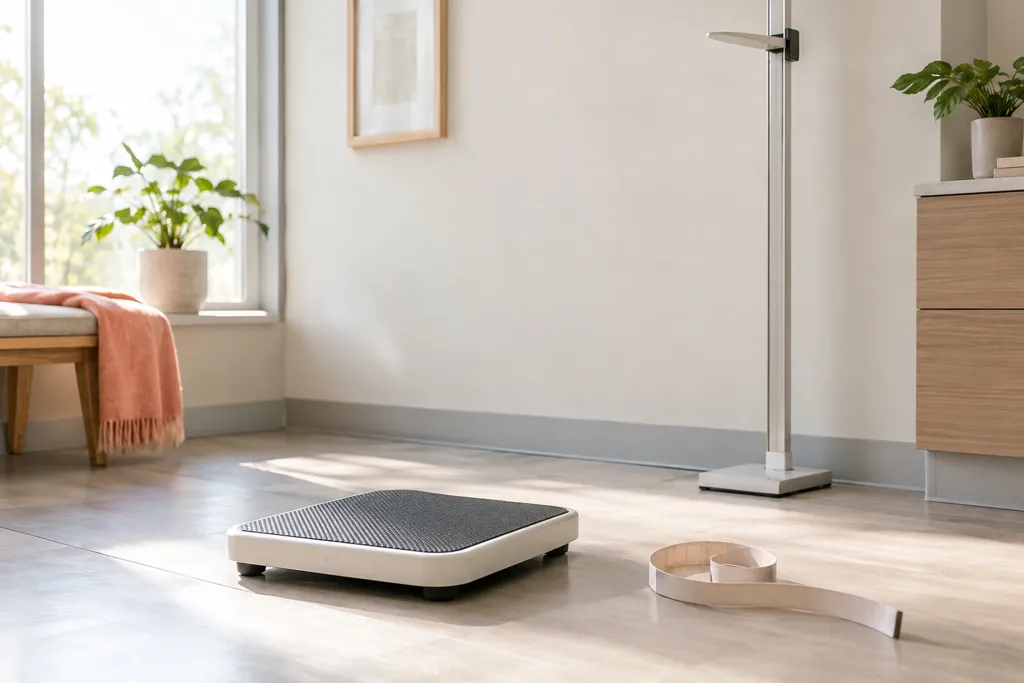
Connected scales can log weight and show trends in an app. Some estimate fat, lean mass, or body water using bioimpedance and prediction models. A 2021 study of three models found weight measurements more reliable than body-composition estimates; it did not test every product available today. Review your device’s specifications and instructions. Small estimate changes do not automatically establish fat loss or muscle gain. Home measurements can organize observations, without replacing clinical assessment when needed. [16]
Timers, duration, pace, distance, and heart-rate trends can make a session easier to understand, depending on the device and activity. Recovery reminders or a workout log can support consistency. Calories, training load, and other scores remain estimates; heart-rate sensors can also be unreliable. Combine data with how you feel, movement quality, and trainer guidance rather than chasing the highest number. Do not ignore symptoms because a watch looks reassuring or assign personal intensity zones from one value, especially when medical conditions or medication affect your exercise response. [17] [18] [19]
On iPhone, Health can collect information from compatible apps and devices; Medical ID can store allergies, medication, and emergency contacts. Android emergency medical information depends on device and supported features; Health Connect manages categories of data exchanged between authorized apps. Names and availability vary by region and version. These tools are not continuous medical supervision: information can be incomplete or entered manually. Keep it updated and review permissions and lock-screen visibility. Information made accessible there may also be seen by someone holding your phone. [20] [21] [22] [23]
Three different functions
03
A voice from literature
Grow old along with me! The best is yet to be,
For young children, start with developmentally appropriate active play, rather than an adult gym plan. Guided strength work can become part of a program around age 7–8 when a child can follow instructions and control movements; that is not automatic permission to lift weights. Qualified supervision with youth experience and appropriately sized equipment are essential. For teenagers, technique and gradual progression remain more important than maximum lifts or appearance comparisons. Involve parents and the pediatrician when appropriate; check club admission rules and the availability of services for minors separately. [25] [26]
Movement across life stages
Between 18 and 64, aerobic activity and muscle strengthening can complement one another, but adulthood does not automatically prepare someone for heavy loads or intense exercise. Returning after years of inactivity calls for gradually rebuilding skills and habits; an experienced person of the same age may need something different. General recommendations are not an individual fitness clearance. With medical conditions, symptoms, pregnancy or uncertainty about your health, discuss appropriate intensity and adjustments with a healthcare professional before choosing your approach.
When you work or care for children and family members, scheduling activity may take more than good intentions. Identify realistic windows, plan an alternative for unexpected demands, and agree on a program that can adapt. The 45 minutes in my personal story illustrate time for myself; they are not a recommended minimum, a prescription, or a guaranteed session length. A shorter first step can also help build a habit. Missing an appointment does not need to become a source of guilt or a reason to sacrifice recovery by trying to make up everything at once. [26] [2]
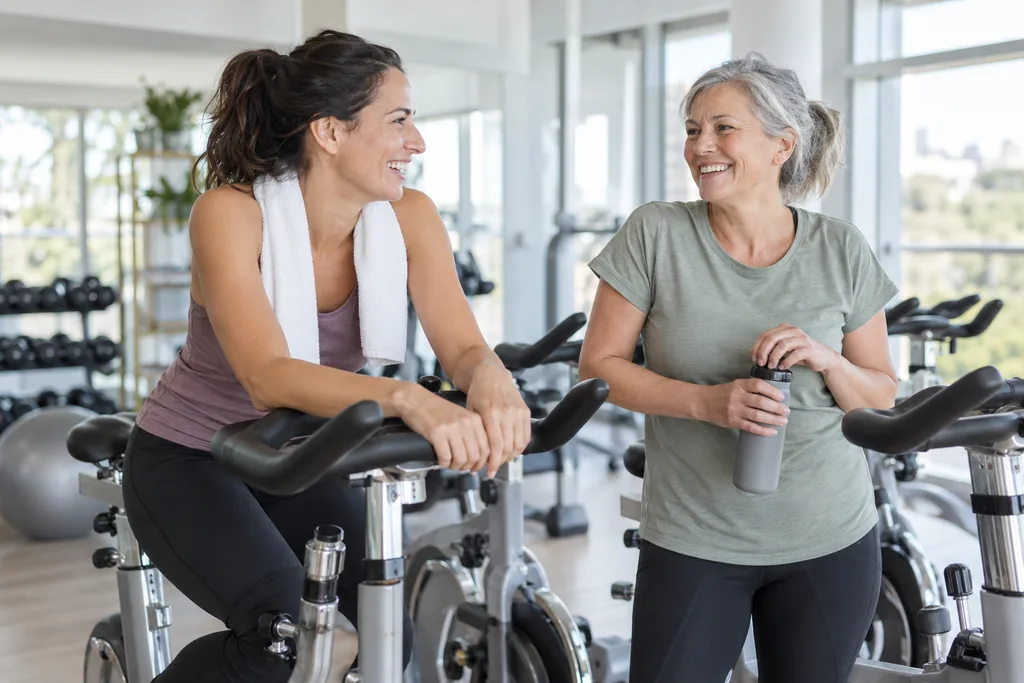
There is no birthday at which everyone must stop moving. Recommendations after 65 still include aerobic activity, strength and balance work, adapted to ability, health and fall risk. Walking or other accessible activities, resistance exercise and functional movements can be adjusted with support and supervision. That does not make every exercise suitable for every person. Frailty, osteoporosis, joint or cardiac problems call for relevant assessment. No age group guarantees zero risk, and physiotherapy remains a separate service from personal training. [26]
04
A voice from literature
I am the master of my fate: I am the captain of my soul.
Disability covers many different situations; it does not define your abilities, goals, or support needs. Movement can be possible with substantial adaptations, and starting small counts. The useful question is which activity fits you today. These examples open up possibilities without promising a cure or a return to walking.
Using a wheelchair does not automatically rule out physical activity. Depending on ability, preferences and clinical guidance, options may include adapted aerobic activities, seated exercise, accessible resistance work or wheelchair sports. Mobility, sensation and trunk control vary, and shoulders may already work hard during everyday travel. This calls for individual decisions and appropriately qualified support when needed, rather than a standard worksheet. Enjoyment, participation, strength or everyday independence can be valid goals. Walking is not the measure of success and is not promised as an outcome.
Plan together. Many activities remain possible with adapted equipment or rules. Clear verbal descriptions and an initial guided orientation can help: agree on ways to identify stations, controls, and routes instead of relying only on a visual demonstration.
Sources: [30]
Consider carefully. Ask for a visit that includes locker rooms and showers. Arrange support beforehand; do not assume staff will always be available or trained for your needs. Also check how to reach a safe place during an evacuation.
Plan together. Agree on visual signals for starting, pausing, and stopping. The speaker should be visible, well lit, and away from unnecessary noise. Explain your preferred sign language or communication method; lipreading is not a universal solution.
Sources: [33]
Consider carefully. A loudspeaker announcement may be insufficient. Check accessible alerts and evacuation arrangements. Interpreters, hearing loops, and visual alarms are services or equipment to confirm with the facility, not provisions this page can promise.
Sources: [34]
Plan together. Being nonspeaking does not imply a lack of understanding or an intellectual disability. Agree on writing, gestures, boards, or your communication device, including how to express yes, no, pain, and stop. Allow response time without automatically finishing sentences.
Sources: [35]
Consider carefully. The conversation is with you, including when a support person is present. Consent and the right to refuse remain essential; keep communication tools accessible during training. The instructor should check understanding rather than pretend to understand.
Plan together. Supports, grips, and positions can be adapted. After amputation, rehabilitation and learning to use a prosthesis follow individual goals with the rehabilitation team; a fitness session does not replace that process. Not everyone uses or wants a prosthesis.
Sources: [37]
Consider carefully. Sweat, friction, and pressure can damage skin. Plan checks and breaks with the team; pain, wounds, or socket-fit problems need their assessment, not improvised adjustments. Equipment should fit the person rather than force the person to fit it.
Sources: [38]
Plan together. Aerobic and strength activities can be adapted for seated participation. Plan equipment access, supports, transfers, and shoulder care together. Do not move someone's wheelchair or assist a transfer without permission; ask how they want to proceed.
Consider carefully. Using a wheelchair does not necessarily mean having a spinal cord injury. When an injury is present, skin sensation, temperature regulation, and blood pressure may need specific precautions and a clinical plan. Guidance for one injury does not automatically apply to every wheelchair user.
Sources: [40]
Plan together. Strength, movement, and participation can be part of enjoyable, understandable activities with demonstrations and individual progression. Any heart, respiratory, or joint conditions warrant a focused conversation with the treating clinician; the same diagnosis does not mean the same program.
Sources: [41]
Consider carefully. New neck pain, walking changes, weakness, or loss of skills need prompt medical assessment. DSMIG guidance does not recommend routine neck X-rays in people without symptoms or automatic exclusion from sports; the appearance of symptoms changes the assessment.
Sources: [42]
Plan together. Autism does not automatically involve intellectual disability. “Asperger syndrome” is a historical diagnostic label that some people still choose for themselves. Ask about individual preferences: lighting, music, physical touch, and crowds can feel very different from person to person.
Consider carefully. Visiting at the usual training time, a predictable sequence, visual instructions, and breaks may help. Agree on adjustments without forcing sensory exposure or eye contact. Choosing a different time, activity, or environment is valid when the setting does not work.
Plan together. With Parkinson's, a program may combine aerobic activity, strength, and balance, adapted to abilities and disease stage. Medication-related fluctuations, freezing of gait, and fall risk make functional assessment and collaboration with appropriately qualified professionals valuable.
Sources: [46]
Consider carefully. Dizziness during position changes, fatigue, and daily fluctuations call for a flexible plan, with support when indicated. Do not change medications to exercise. Other neurological conditions have different needs; a Parkinson's program does not automatically suit them.
These are starting points, not rehabilitation protocols. They do not establish Alessandro's clinical specialization or the accessibility of every club service; needs and available resources must be checked together.
Before your first visit, ask about entrances, lifts, toilets, changing facilities, turning space and equipment you could actually use. Website accessibility does not certify the accessibility of the club’s premises. Explain adjustments or communication methods that help, without feeling required to disclose your entire medical history. This guide does not claim undocumented clinical qualifications for Alessandro or specific accessible equipment at the club. The first conversation also checks whether the service is suitable or a specialist is needed. Asking for assistance does not reduce the value of your participation.
Diabetes, cardiovascular disease, arthritis, neurological conditions and a history of cancer do not describe one identical situation. Activity can benefit many people with chronic conditions, but suitable types, amounts and precautions should be agreed with the relevant clinician or specialist. Share useful guidance and functional limitations with your trainer without changing medication or treatment to fit a workout. The program may need adjustments or a specialist setting. You do not have to achieve a general activity target immediately to deserve a starting point that works for you. [52] [53] [54]
Wanting to catch up does not automatically make you ready for your previous program. After injury or surgery, follow the clinical plan and clarify which movements and loads are allowed. A personal trainer does not diagnose pain or replace physiotherapy; training can contribute within professional competence when the circumstances permit. After prolonged inactivity, rebuild gradually without comparing every session with past results. If a movement causes pain, stop and seek appropriate assessment rather than treating pain as the inevitable price of improvement. Recovery does not need to follow someone else’s calendar. [2] [26]
Movement can remain part of everyday life in many pregnancies without contraindications, but copying a generic routine is not an individual plan. Discuss appropriate activity and adjustments with the professionals following your pregnancy and recovery after birth. Previous experience, symptoms and individual progress matter; returning is not a race to regain a particular appearance by a deadline. This guide does not establish a prenatal or postnatal specialization for Alessandro or promise clinical services. Check that the available support matches your needs before deciding whether to book. [26]
If life feels difficult, you feel out of shape or fear judgment, you do not have to transform yourself before asking for information. A first step may be understanding the environment, asking questions and agreeing on a small, realistic goal. Movement can support psychological wellbeing without replacing psychotherapy, medication or other necessary treatment. It is not a test of willpower, and a difficult day does not erase your progress. Discuss what makes participation easier: clear instructions, predictable timing, breaks or healthcare support when needed. [28] [52]
A disabled body, a larger body, an older body or a changing body does not need permission to have goals. A transformation photograph, a competition or a number on the scales is not compulsory. You might want consistency, more confidence in suitable movements, an enjoyable activity or time for yourself. Shift work and caring responsibilities may call for a flexible schedule rather than blame. The first conversation should establish practical possibilities, limitations and service suitability. There is no identical promise for everyone, and support should respect your choices.
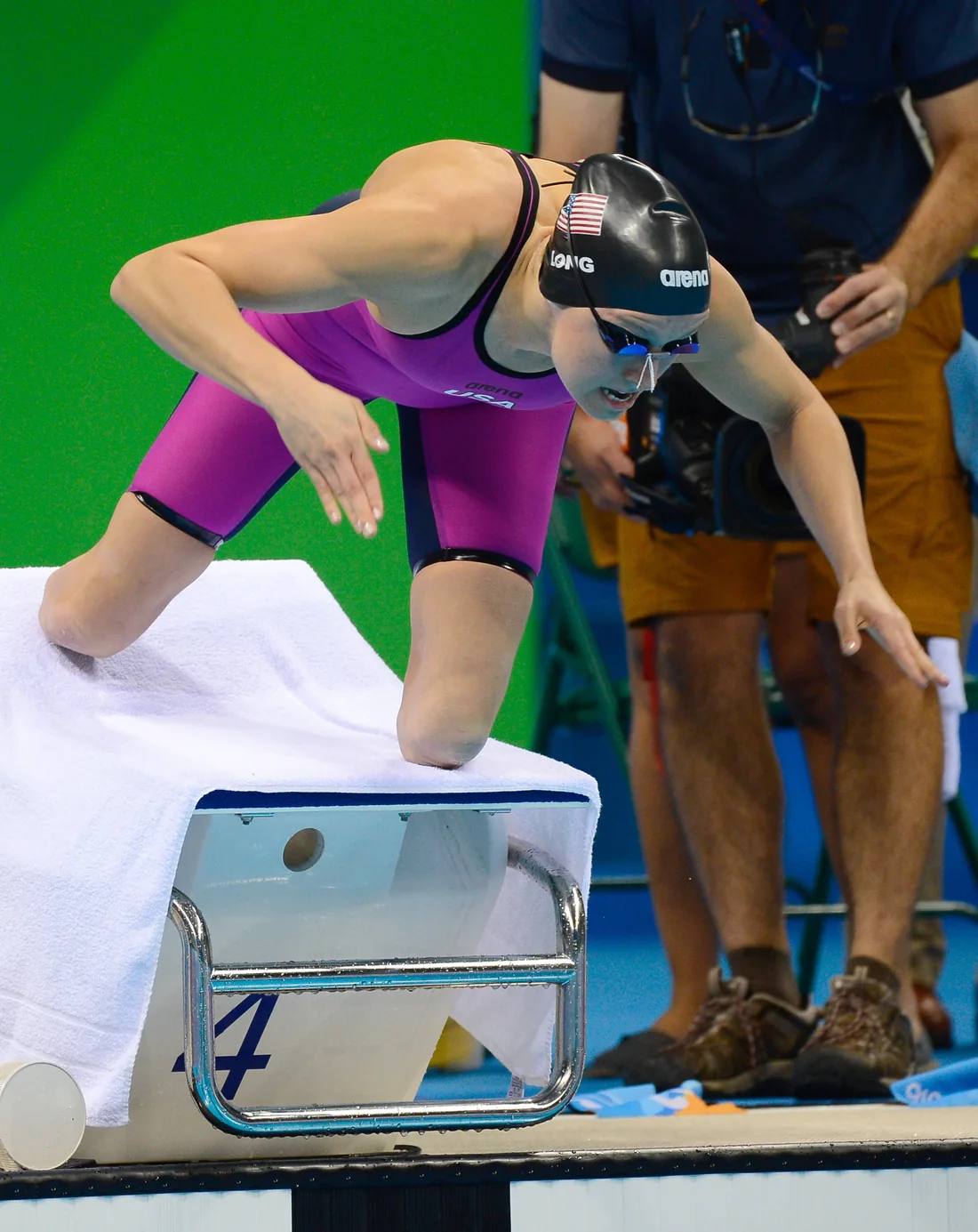
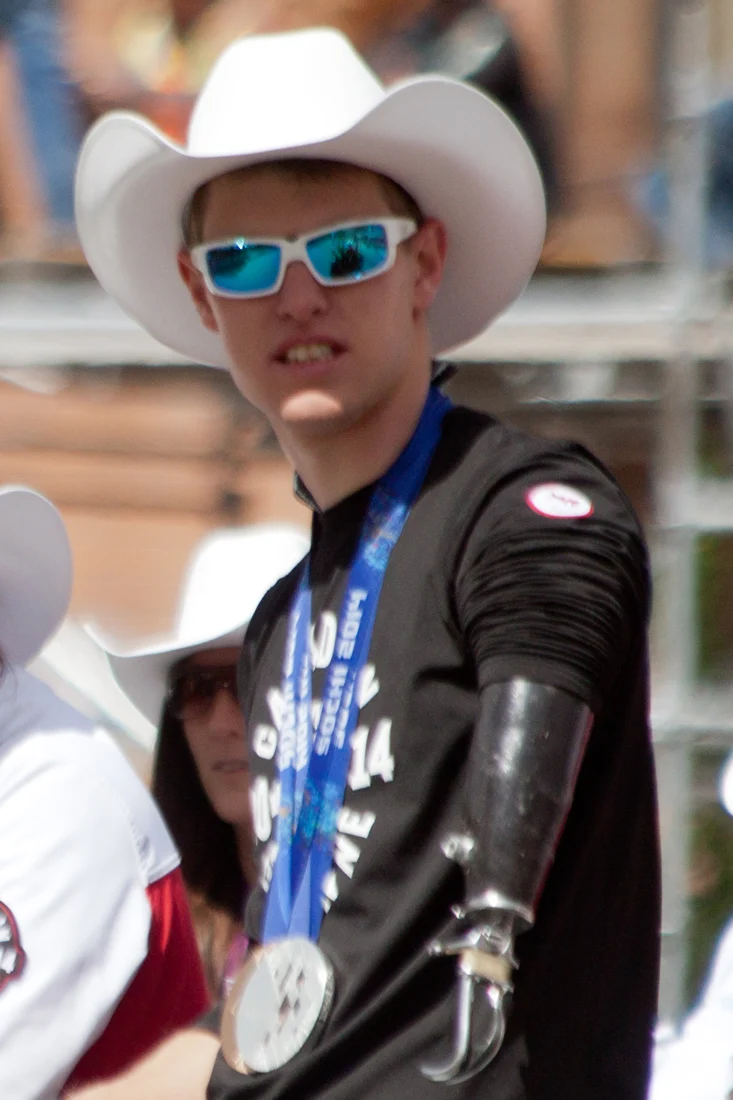
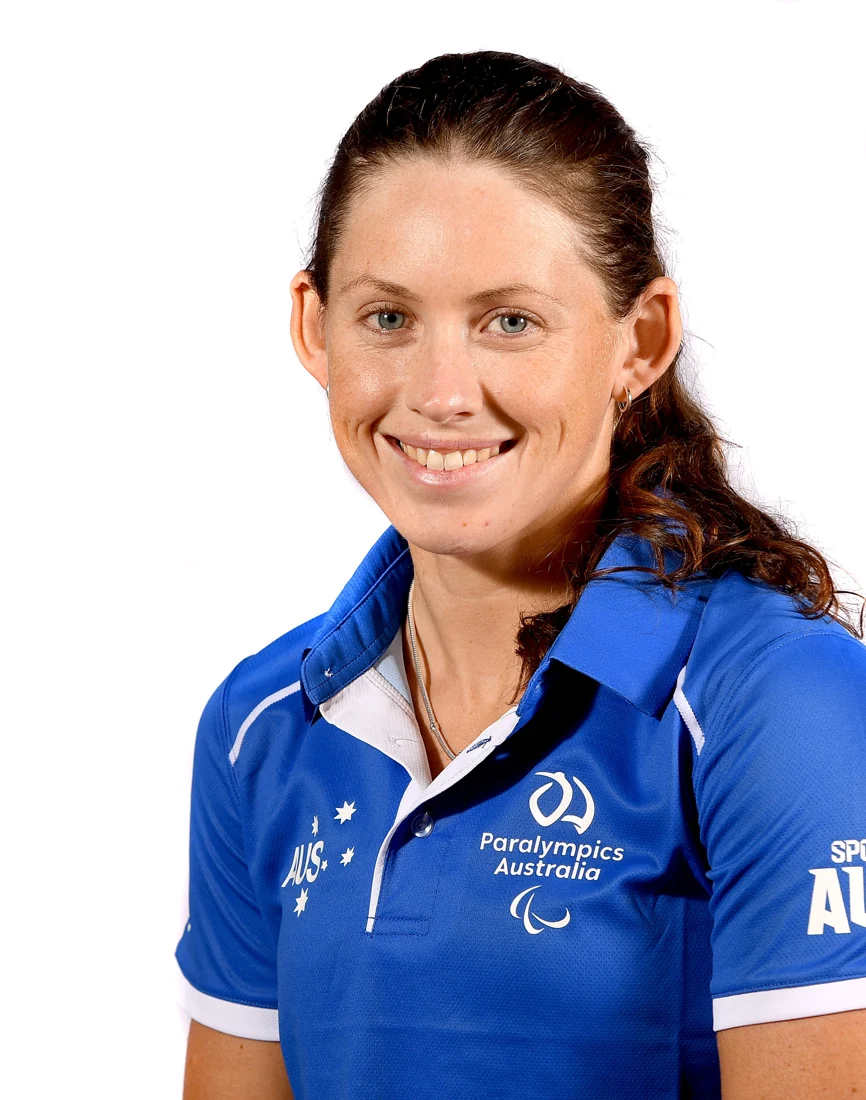
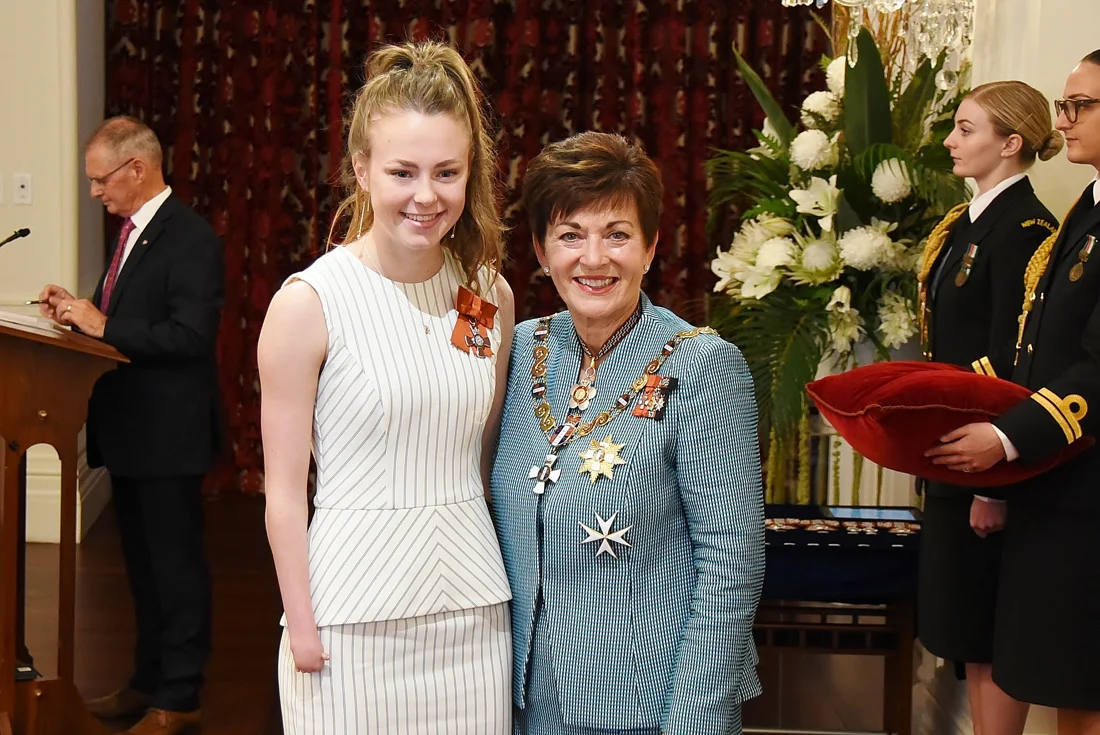
An accident or a condition present from birth does not sum up a person. Paralympic careers make talent, adaptations, and possibilities visible. It can be difficult: access, healthcare, support, and time matter. Your goal might be competition, enjoyable activity, or greater participation in everyday life. The public figures below offer different stories from across the English-speaking world. You can draw encouragement from them while exploring what works for your own circumstances, with appropriate support and goals that belong to you. [55] [56] [57] [58] [59]
Athletes with recent competitive records, selected for sporting achievement and public impact across the United Kingdom, United States, Canada, Australia, and New Zealand. Their stories make possibilities visible. You can draw encouragement from them while choosing your own goals. They do not endorse Alessandro’s services.
United Kingdom
Para swimming
A Paralympic champion who won gold again at the Glasgow 2026 Commonwealth Games. After a major change in her sporting journey, she returned to international podiums and continues to compete.
Her third successive Commonwealth title in the 100-meter backstroke makes this a current story of rebuilding and achievement, not only a memory of past success.
Swim England documents her gold at Glasgow on July 26, 2026.
Official profile and results [55]
Recent competition and team status [60]
United States
Para swimming
From Athens 2004 to Paris 2024, she has built a long Paralympic career. Her official profile records 31 Paralympic medals, while the current U.S. roster still lists her on the national A team.
Her experience continues within the national program: longevity and new ambitions can coexist. The point is an ongoing journey, rather than a promise that progress is easy.
Listed on the current U.S. Paralympics Swimming national A-team roster.
Official profile and results [56]
Recent competition and team status [61]
Canada
Para biathlon and cross-country skiing
A silver medal in Para biathlon and bronze in cross-country skiing at Milano Cortina 2026 add to an international career that is still active. FIS explicitly lists his athlete status as active.
Prince Edward Island’s government recognizes his leadership and impact on Para sport as well as his results: a public example whose value extends beyond the finish line.
Milano Cortina 2026 results and FIS active-athlete status.
Official profile and results [57]
Recent competition and team status [62]
Additional official background [63]
Australia
Para triathlon and Para cycling
A Paralympic champion with a continuing multisport career, she won her sixth PTWC world title in Pontevedra in September 2026. Her official results also show victories in Yokohama and Hamburg that year.
Paralympics Australia identifies her as the country’s most successful Para triathlete following that sixth title. Her ongoing career makes adaptation and new challenges visible.
World Triathlon results and Paralympics Australia’s September 29, 2026 report.
Official profile and results [58]
Recent competition and team status [64]
New Zealand
Para athletics
A gold medalist at Rio 2016, Tokyo 2020, and Paris 2024, she also won bronze in the 100 meters T47 at the Glasgow 2026 Commonwealth Games. Her story continues on the track.
Paralympics New Zealand describes her as a much-loved and respected athlete. She also contributes an athlete’s voice through its Athletes’ Council.
Paralympics New Zealand documents her Glasgow 2026 competition and medal.
Official profile and results [59]
Competitive activity checked October 28, 2026
05
A voice from literature
No man is an island, entire of itself;
Wear suitable sandals in shared showers, dry your feet carefully, including between the toes, and avoid sharing towels. These precautions help reduce skin infection risk without eliminating it. Bring a clean towel, wear appropriate clothing and shoes, and clean shared surfaces according to club instructions. In changing rooms, keep routes and benches clear, respect privacy and do not photograph other people. Follow the posted rules for each area, as requirements for the gym floor, pool and other facilities may differ. [66] [67] [68] [69]
From gym floor to showers
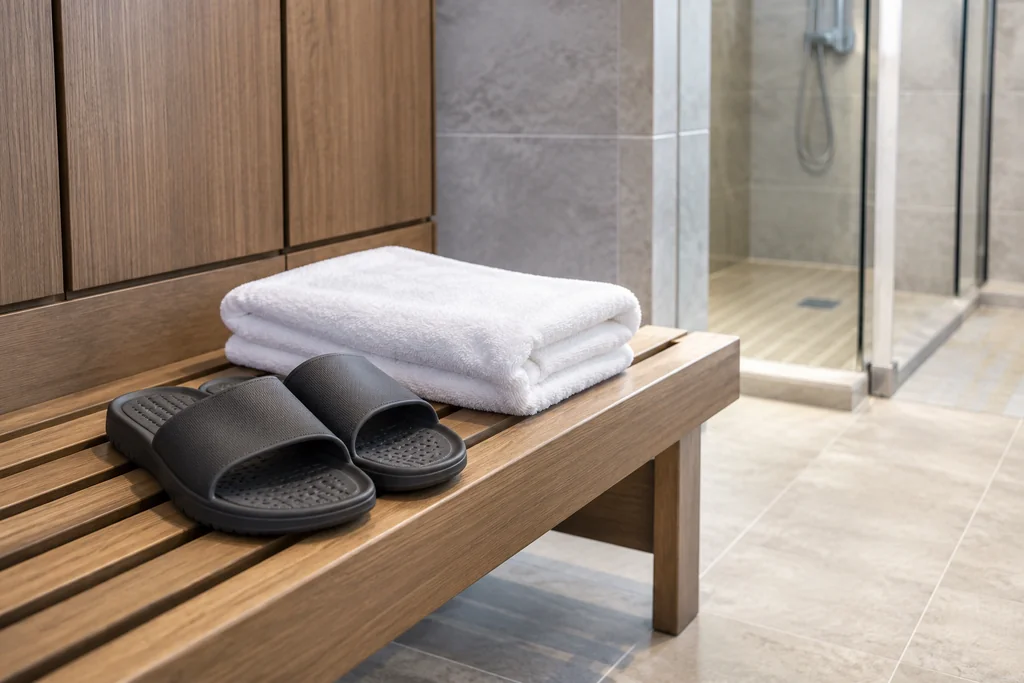
Washing after sweating helps remove sweat, oil, and dirt; put on clean clothes and underwear afterward. A very hot shower is not required for better recovery. Lukewarm or comfortably warm water, gentle washing, and a clean towel are practical choices; high temperatures can irritate skin. If you cannot shower immediately, at least change damp clothing and wash when possible. If overheated or unwell, do not seek more heat: stop and get appropriate help. [70] [71] [72]
Use a shared hair dryer for hair, avoiding intimate areas, shoes, clothing, and other inappropriate uses. This is practical courtesy, rather than a claim that a habit is widespread everywhere. Dry yourself with a clean personal towel without leaving wet surfaces or occupying the station for too long. Keep phones and cameras away from others’ privacy, do not share razors, and do not leave trash, hair, or products scattered around. Follow club rules and ask staff if a service or behavior is permitted. [67]
During a rest, you can agree to alternate with someone waiting when the exercise and equipment allow it safely. Ask first, do not interrupt an active set, and do not change settings or weights without agreement. Planned recovery remains part of training; sharing does not mean abandoning it. Return plates and dumbbells to their designated places and leave the area tidy. Avoid occupying several stations with personal belongings. A considerate environment helps everyone work with fewer interruptions and less avoidable confusion.
“Gym rat” is informal American English for someone who spends a lot of time exercising in the gym and cares about physical fitness. It may sound affectionate or humorous, depending on context. It does not establish competence, health, or greater worth. You do not need the label to benefit: sustainable training, recovery, and a life that fits your program matter more than belonging to a category. [73] [3]
You don’t need an expensive outfit: choose clean, comfortable clothes that suit the session. Function matters more than appearance. Discuss specific needs with Alessandro or the club team.
Stiff or very tight jeans can get in the way of bending and a full range of motion. Choose pants or shorts that move with you and activity-appropriate shoes with secure laces and good traction. A sweatshirt can work for arriving or warming up; remove a layer if you feel hot. Hoodies are not automatically unsuitable.
Wash workout clothes after wearing them, bring a change, and use a towel according to club instructions. Rivets, belts, and exposed zippers can damage upholstery; protecting it also helps the next person. Clothing does not replace cleaning shared equipment before and after use.
Tie back long hair when it could get near cables, rollers, or other moving parts. Secure hood drawstrings, very loose fabric, and shoelaces; avoid dangling jewelry or headphone cords that could catch. Stop the equipment safely before adjusting them. Keep your hands away from a mechanism while it is moving.
Porta Vittoria’s Grid Active page lists athletic shoes, a towel, and tied-back hair. This is a reminder for that class, not the full club rulebook. Check current instructions and any exceptions for other activities with the team.
Sources checked October 29, 2026. No clothing brand is required.
06
A voice from literature
The readiness is all.
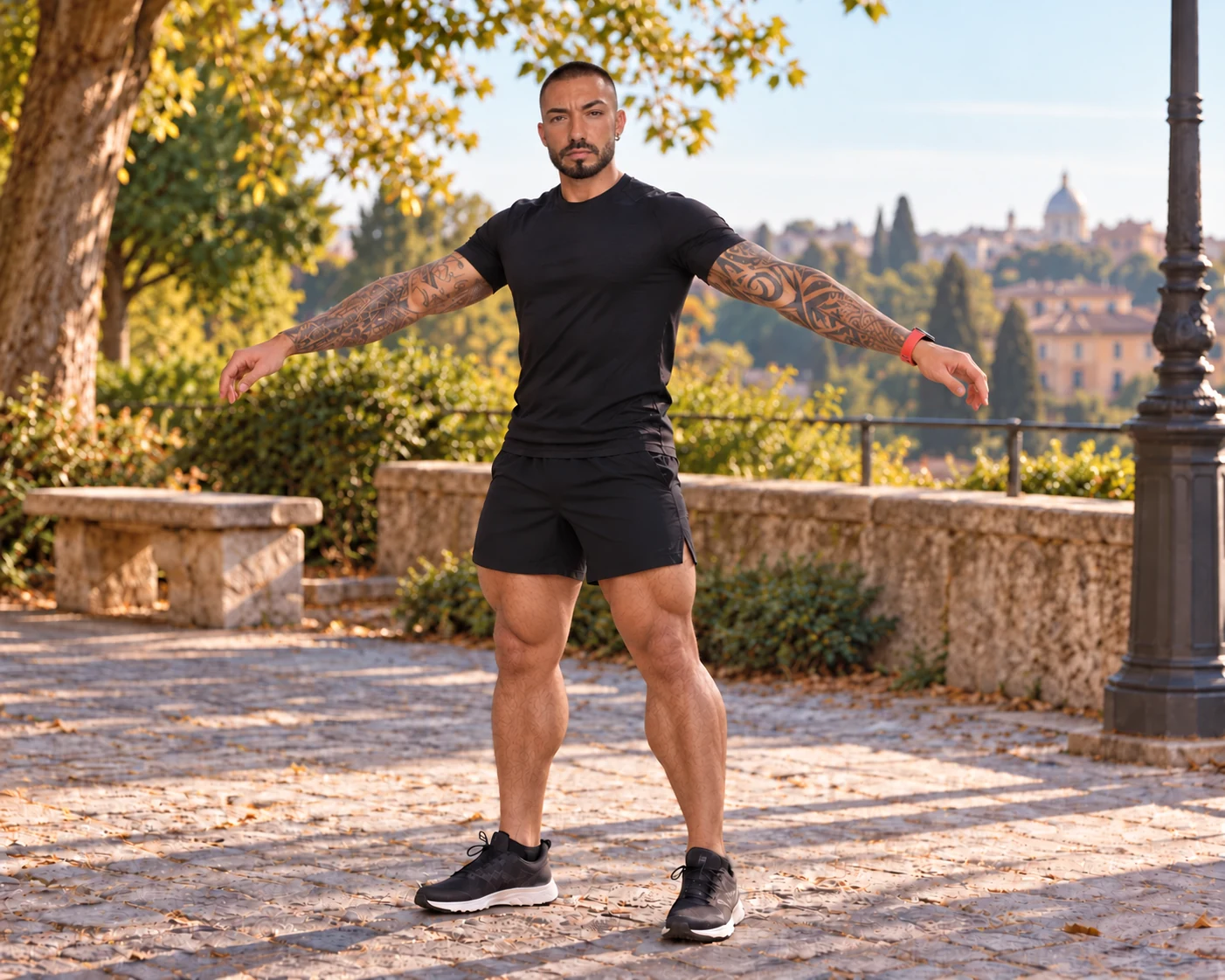
Static stretching holds a lengthened position; dynamic stretching uses controlled movement. Static work can improve flexibility, but prolonged holds immediately before explosive efforts can temporarily reduce some aspects of performance. Dynamic movement can prepare you for the session when introduced gradually. The “always stretch” view recognizes its mobility value; “never before exercise” points to a real limitation in some contexts but becomes too absolute when applied to everything. The type, duration, next activity, and individual all influence the decision. [80] [81]
Which stretch, and when?
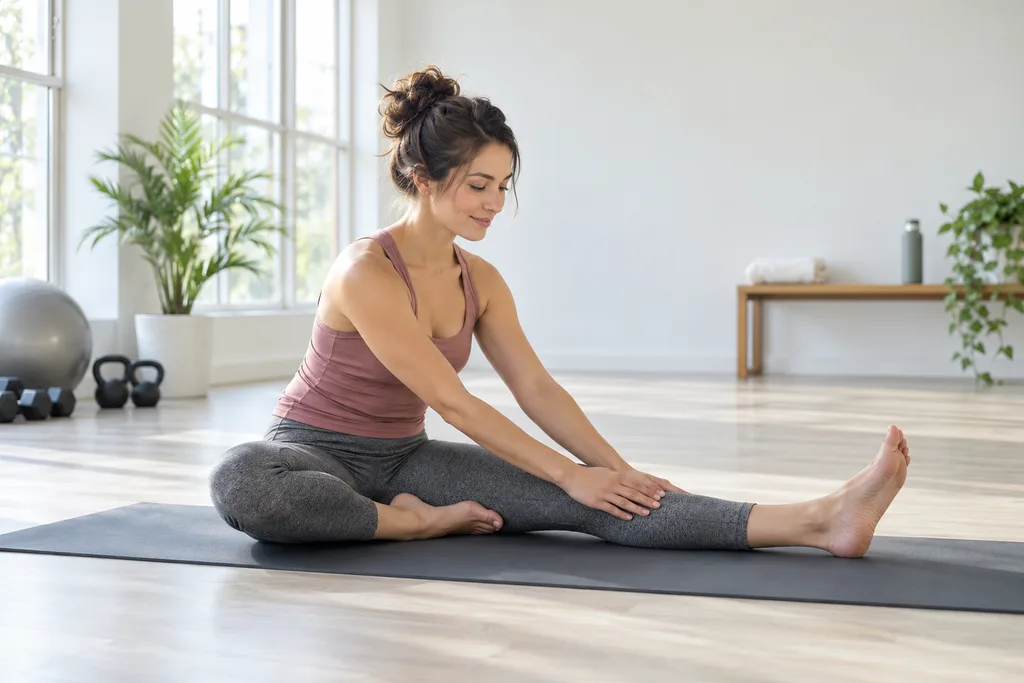
Skipping all flexibility work may leave a useful goal unexplored; adding random stretches does not automatically protect against injury. Stretching does not replace warming up or prevent every overuse problem. Before a session, gradually prepare the movements you need. Dedicated static work may fit after warming up, after training, or at another agreed time. Avoid bouncing, forcing a position, or stretching into pain. With an injury, persistent pain, or a medical condition, ask your doctor or physical therapist which movements are appropriate. [80] [81]
07
A voice from literature
True ease in writing comes from art, not chance,
Fat loss and body recomposition, postural work, and muscle growth can share the same tools. Exercise selection, progression, and organization change with the goal. These are common examples, not a verified inventory of this club. Confirm availability, accessibility, and setup on site with your trainer. The drawings are orientation symbols, not exercise instructions.
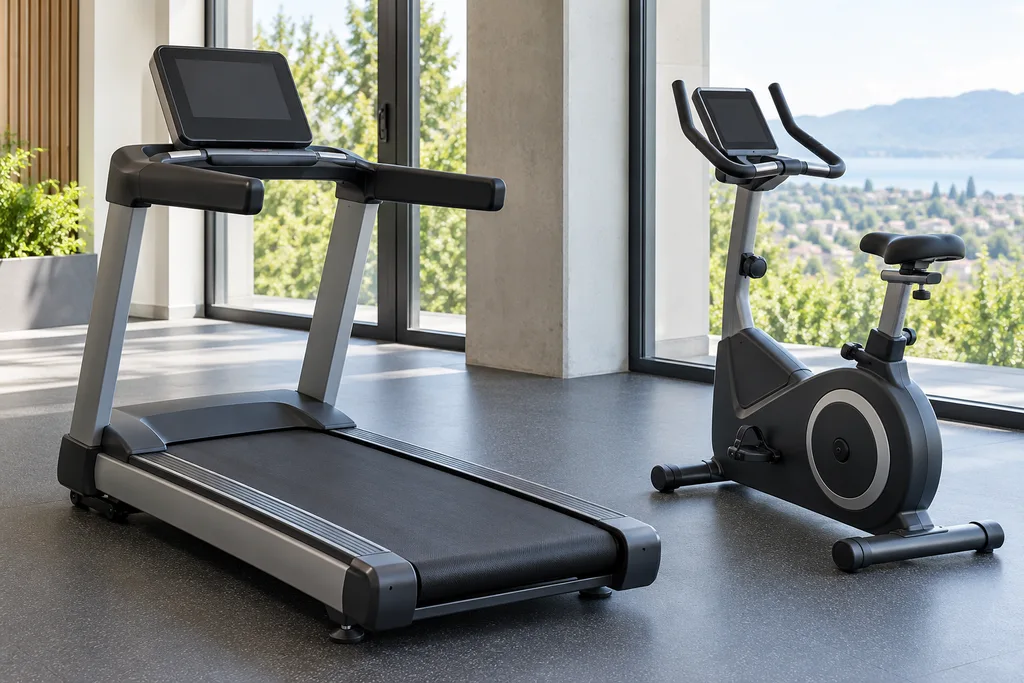
| Equipment | Role in a program |
|---|---|
| Treadmill | A moving belt for walking or running, with speed and incline adjusted to the person. |
| Stationary bike | Seated cycling for cardiovascular work; adjust the seat and resistance. |
| Elliptical trainer | Pedals and handles support a coordinated cyclic motion, without automatically suiting every joint. |
| Rowing ergometer | Combines legs, trunk, and arms; the movement sequence needs to be learned. |
| Dumbbells and resistance machines | Strength work belongs here too: recomposition is not just cardio. |
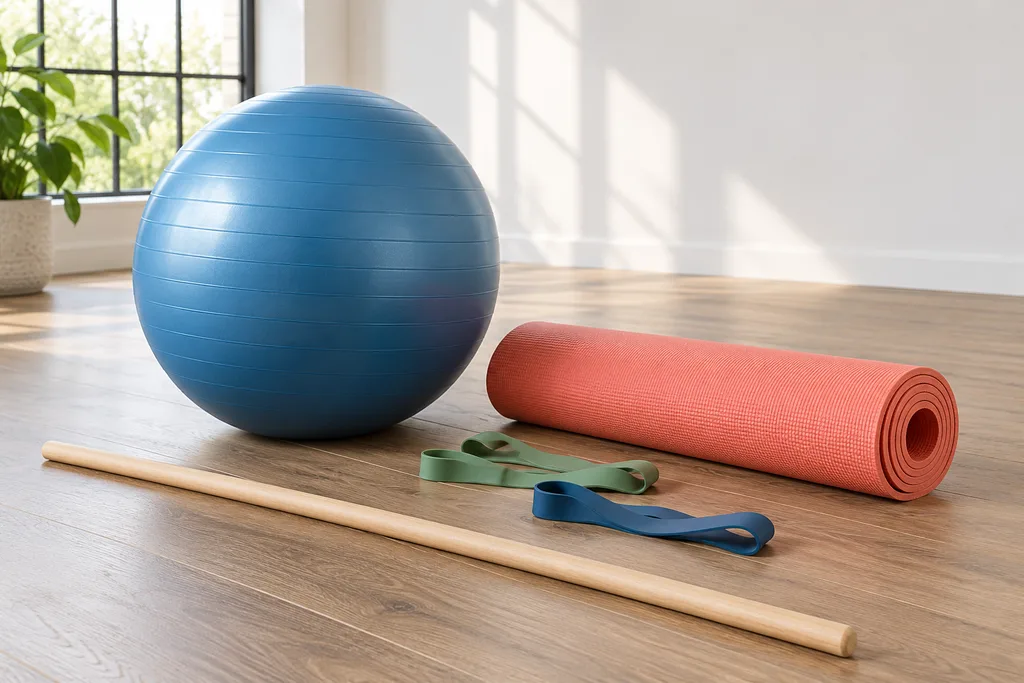
| Equipment | Role in a program |
|---|---|
| Exercise mat | A surface for floor exercises, without replacing appropriate movement selection. |
| Resistance bands and mini bands | Elastic resistance; check their condition and anchor points. |
| Light dowel | A reference for selected mobility movements and position awareness. |
| Cable station / pulleys | Resistance adjusted through cable height, handle choice, and load. |
| Stability ball | A support for selected control exercises; greater instability does not automatically make an exercise better. |
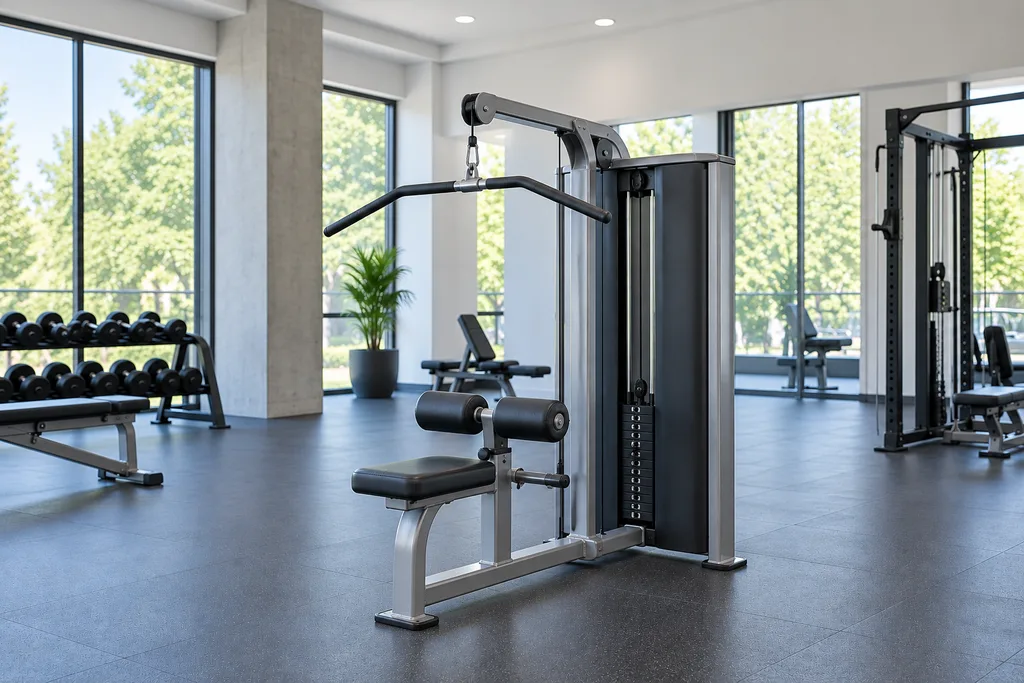
| Equipment | Role in a program |
|---|---|
| Dumbbells | Separate handheld weights for a variety of movements and grips. |
| Barbell, plates, and rack | A loadable bar with a support structure; learn to use safety stops and collars. |
| Adjustable bench | An inclined or flat support; check stability and locking mechanisms. |
| Leg press | A machine for pushing with the legs; adjust seat, range of motion, and load. |
| Lat pulldown and seated row | Vertical and horizontal pulling machines involving the back and arms. |
| Chest press and cables | Tools for pressing or other resistance movements within the program. |
A guided machine does not remove every risk, and free weights are not reserved for experts. Ask how to set the seat, safety stops, and load before trying equipment. Postural work is not a diagnosis or a substitute for necessary physical therapy or medical assessment.
EQUIPMENT ATLAS / ISOMETRIC VIEWS
A multifunction machine is more than its name. These three plates connect visible components with their purpose. Numbers match the legend: adjustment, resistance transmission, support, and safety components do different jobs.
Common names: cable machine · dual adjustable pulley · functional trainer
Two columns provide adjustable cable outlets. Selected load, outlet height, and attachment are three separate choices. The cable transmits resistance; pulleys redirect it. The stack’s number does not necessarily equal resistance at your hand: that depends on the machine’s system.
On small screens, scroll the plate horizontally to read its numbers without shrinking the drawing.
Manufacturer documentation: [83] · [84] · [85]
These are mechanical-risk examples, not predictions about an individual. Have the adjustments and stops demonstrated before use. Stop and tell staff if anything is loose, damaged, or stuck. Do not attempt repairs.
Common names: incline bench · adjustable bench
A bench supports different free-weight exercises. This example has an adjustable backrest and a fixed seat; some benches adjust both. Do not assume another model uses the same settings.
On small screens, scroll the plate horizontally to read its numbers without shrinking the drawing.
Manufacturer documentation: [87] · [88]
These are mechanical-risk examples, not predictions about an individual. Have the adjustments and stops demonstrated before use. Stop and tell staff if anything is loose, damaged, or stuck. Do not attempt repairs.
Common names: Smith machine · guided barbell
The bar travels on guides and has racking hooks. A guided movement still requires learning: understand body position, adjustments, and stops before adding load.
On small screens, scroll the plate horizontally to read its numbers without shrinking the drawing.
Manufacturer documentation: [89] · [90]
These are mechanical-risk examples, not predictions about an individual. Have the adjustments and stops demonstrated before use. Stop and tell staff if anything is loose, damaged, or stuck. Do not attempt repairs.
These generic architectures identify the main components. They are not a verified Virgin Active inventory or assembly, maintenance, or exercise instructions. Read the actual machine’s placard and ask Alessandro or staff to demonstrate its adjustments and safety devices. Do not remove covers, modify cables, or use damaged equipment.
08
A voice from literature
these we learn how to make by making
“Leg day” means a session mainly devoted to the lower body: thighs, glutes, and calves, as appropriate to the program. It is one way to split sessions and distribute work and recovery. It is not compulsory. Full-body training works several areas within one session and can also be a valid choice. A 2024 meta-analysis found similar split and full-body results when training volume was matched. Experience, schedule, goals, and abilities guide the choice. Disability or limitations call for genuine adaptation, rather than copying a routine. [92] [3]
Squat, lat pulldown, farmer’s carry: exercise names are easier to understand when you connect them to a movement. These 32 examples are grouped by goal, using names you might see in a workout plan.
Strength and muscle growth do not have naturally separate exercise lists. A squat can support both: programming, load, volume, and recovery differ. A machine can build strength, and body-weight exercise can also contribute to muscle growth.
These categories help you navigate; they are not a workout to complete in full. “Functional” means useful for a particular task or ability, depending on the person. It does not automatically mean jumping or using unstable surfaces. Exercise-name links open official reference pages or collections in English [EN].
Recognizing hazards helps you ask for a demonstration, rather than creating fear. These are possible examples from unsuitable adjustments, loads, or movements, not diagnoses or inevitable outcomes. Ask your trainer to demonstrate supports, safety features, and a suitable variation. New pain, lost control, or damaged equipment calls for stopping and telling staff.
01 · 8 examples
Produce force and control resistance. These examples involve several joints; they are not maximum-load tests.
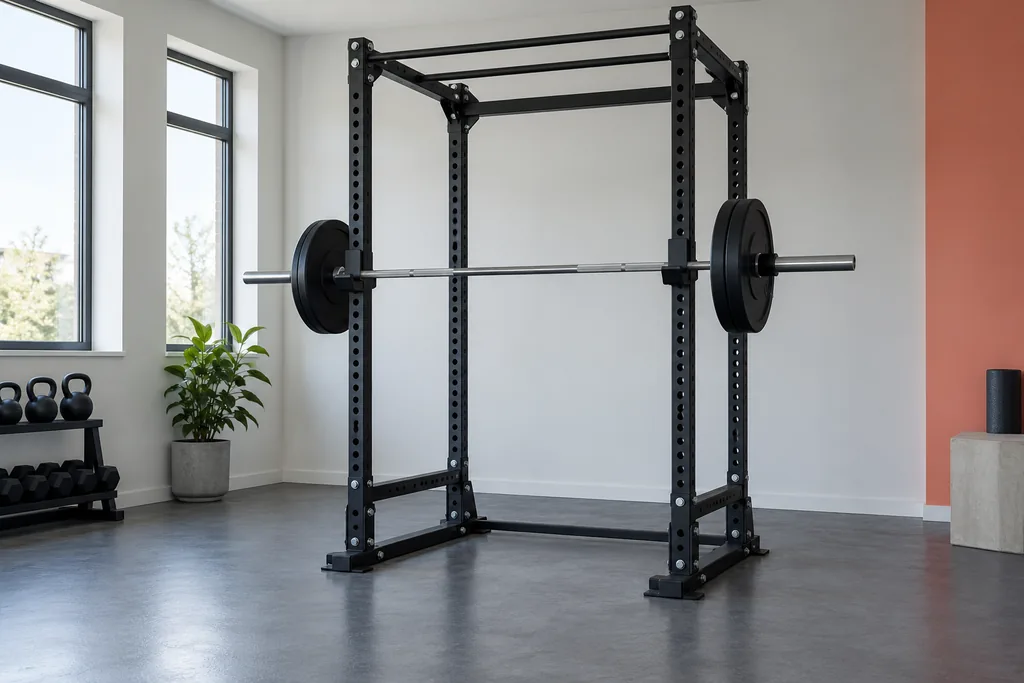
[95] · [96] · [97] · [2] · [98]
Back to categories02 · 8 examples
Hypertrophy means an increase in muscle size. Machines and targeted exercises help organize work by muscle group, alongside other useful tools.
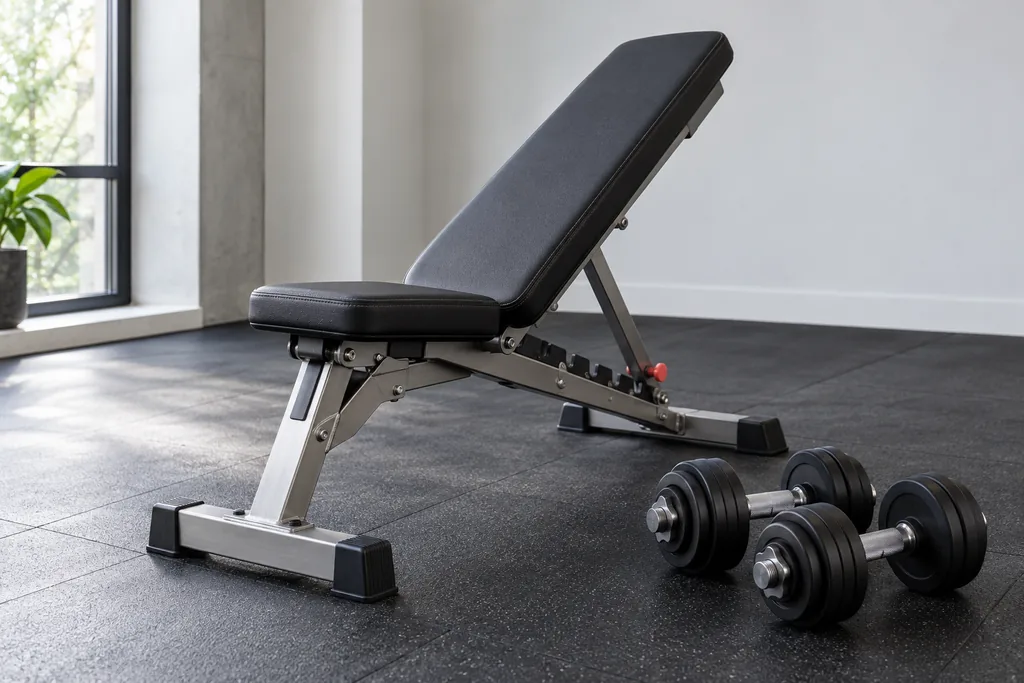
03 · 8 examples
Practice movements, balance, and control for everyday tasks or sports. The value depends on the task and the person’s abilities.
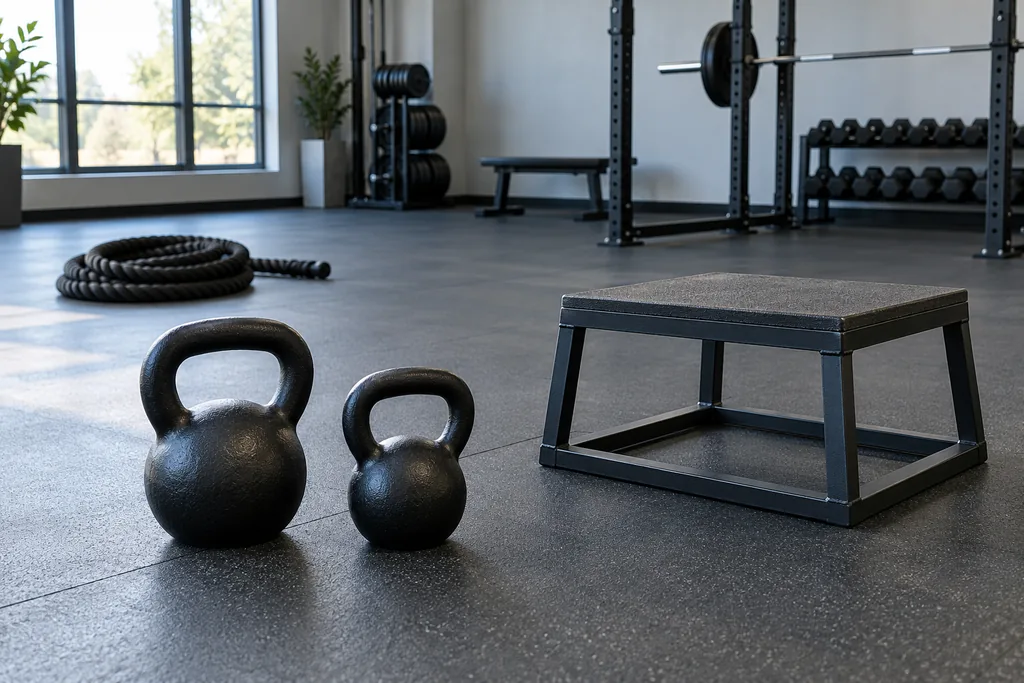
[93] · [100] · [101] · [102] · [97]
Back to categories04 · 8 examples
Rhythmic activities that challenge the heart and breathing. An activity’s name alone does not define its intensity: pace, duration, and your response matter.
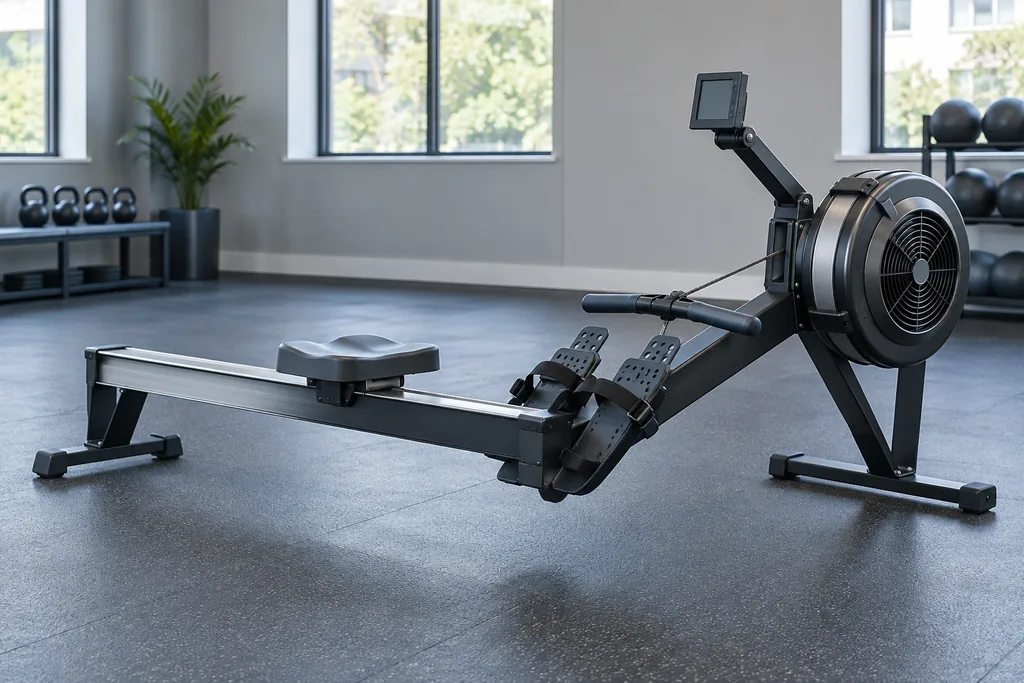
[103] · [104] · [29] · [105] · [106] · [107]
Back to categoriesRecognizing a name does not mean knowing the technique. Choose settings, range of motion, load, and variations with Alessandro. Barbell versions require practice; pain, symptoms, or a health condition call for an appropriate assessment. Photos provide context, rather than a complete technique sequence.
09
A voice from literature
Learn to labor and to wait.
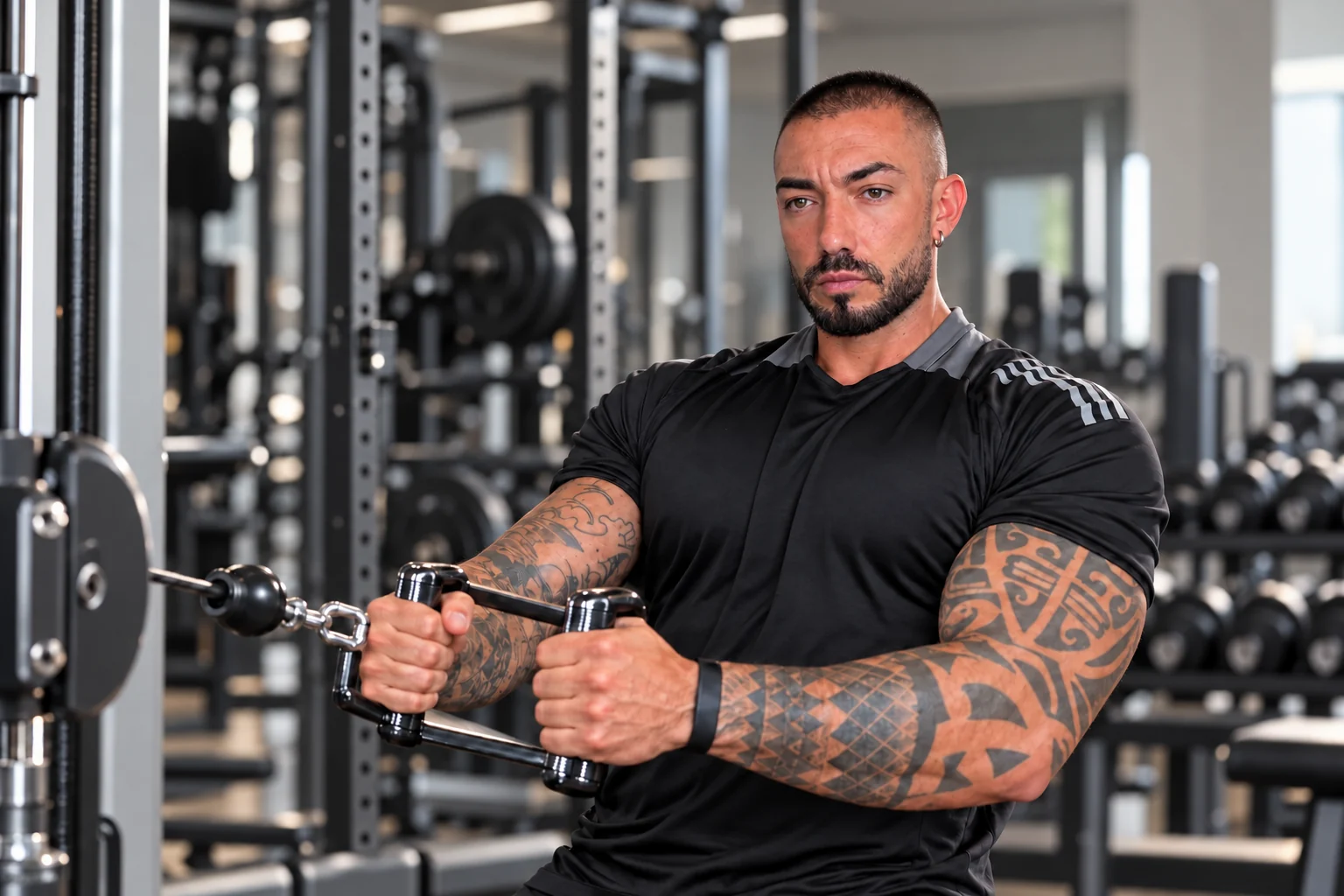
Beginners may notice relatively quick strength gains. Some reflect improved coordination and ability to use the muscles, rather than only new muscle mass. The pace is individual, and visible changes are not immediate for everyone. Learning a setup, moving with more control, or completing a session with greater confidence are useful achievements. Do not turn early enthusiasm into indiscriminate load increases: the ability to move a weight and the quality of that movement should develop together. [109]
As experience grows, progress may slow. Repeating the same work does not necessarily produce the same improvement forever. One difficult session does not establish a plateau. Consider trends, measurement quality, and consistency, then discuss training stimulus, technique, recovery, and scheduling with your trainer. The useful step may be changing one variable, consolidating a skill, or improving recovery rather than simply adding weight. This is where patience and thoughtful review matter; less visible improvements still deserve attention. [110] [111]
Progress can change pace
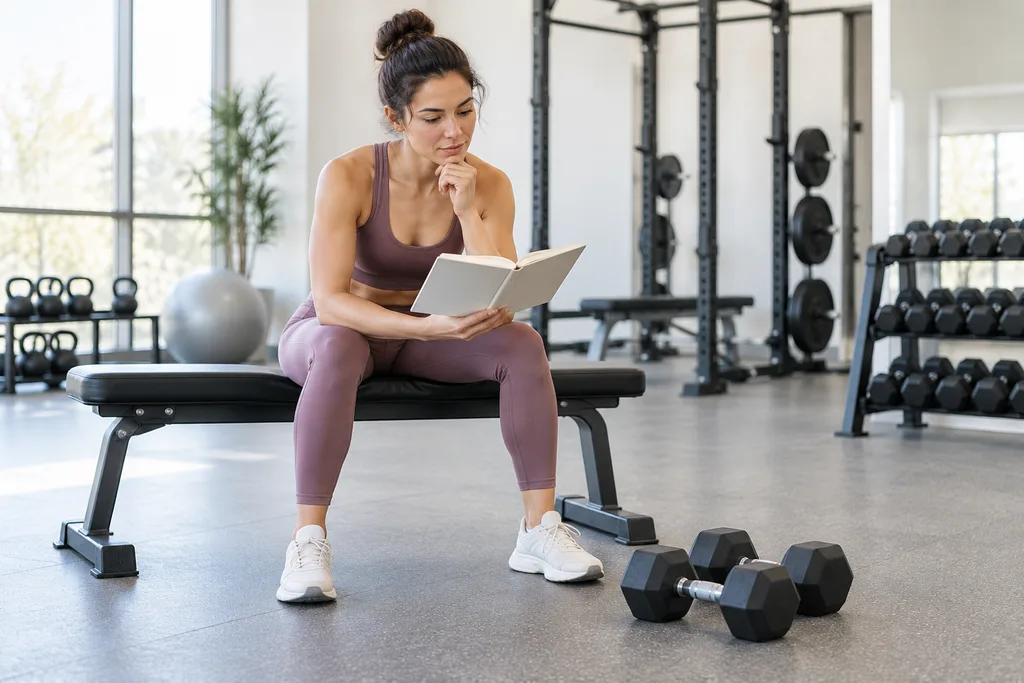
DOMS is delayed muscle soreness that can follow unfamiliar exercise. It is not caused by lactic acid remaining in the muscles for days. Lactate participates in energy metabolism rather than being merely waste to eliminate. Less soreness does not automatically make a session ineffective, and more soreness does not prove a better workout. Explain when and how discomfort appears. Sudden, severe, or limiting pain calls for stopping and seeking appropriate assessment rather than diagnosing yourself. [112] [113]
Resistance training stimulates muscle adaptation. Microscopic damage can accompany some exercise, but it is not a goal to pursue or an established requirement for growth. A muscle tear is an injury, not a mandatory step. An experimental study observed gains without evident muscle damage. That does not make every program equivalent, but challenges the idea that pain or injury must be deliberately produced. Seek manageable progressive training, appropriate nutrition, and recovery rather than rating a workout by how much it hurts. [114] [115]
10
A voice from literature
There is no love sincerer than the love of food.
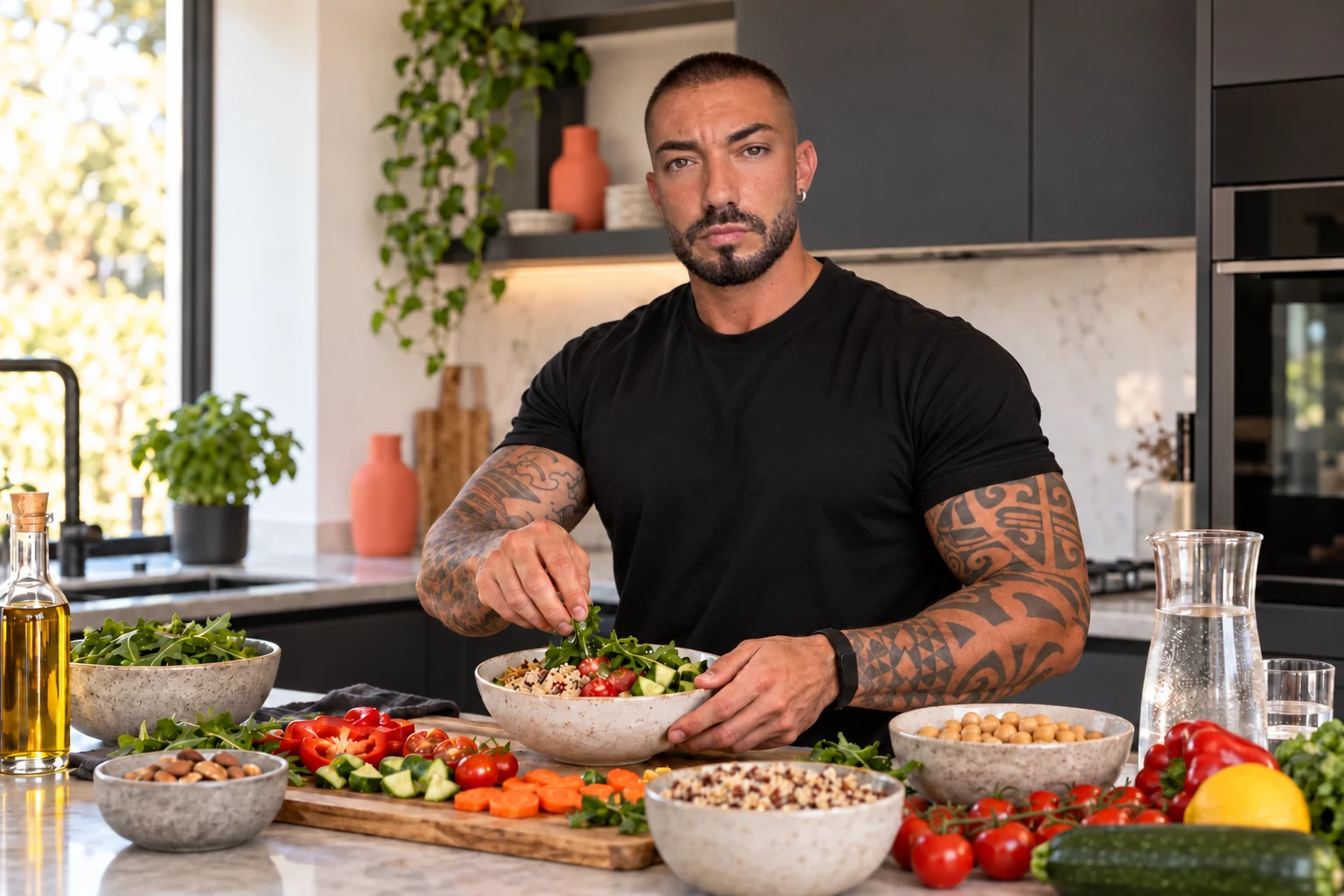
A plan intended to reduce body fat and one supporting muscle growth can involve different energy availability and food choices. Copying a friend’s menu, excluding one ingredient or adding supplements is not an individual strategy. A weight-loss diet is not automatically suitable for a muscle-building phase. For a personal dietary plan, particularly with medical conditions or specific needs, consult a doctor specializing in nutrition. Alessandro guides your training; he does not prescribe diets or medical treatment. [117] [118] [119] [120] [121]
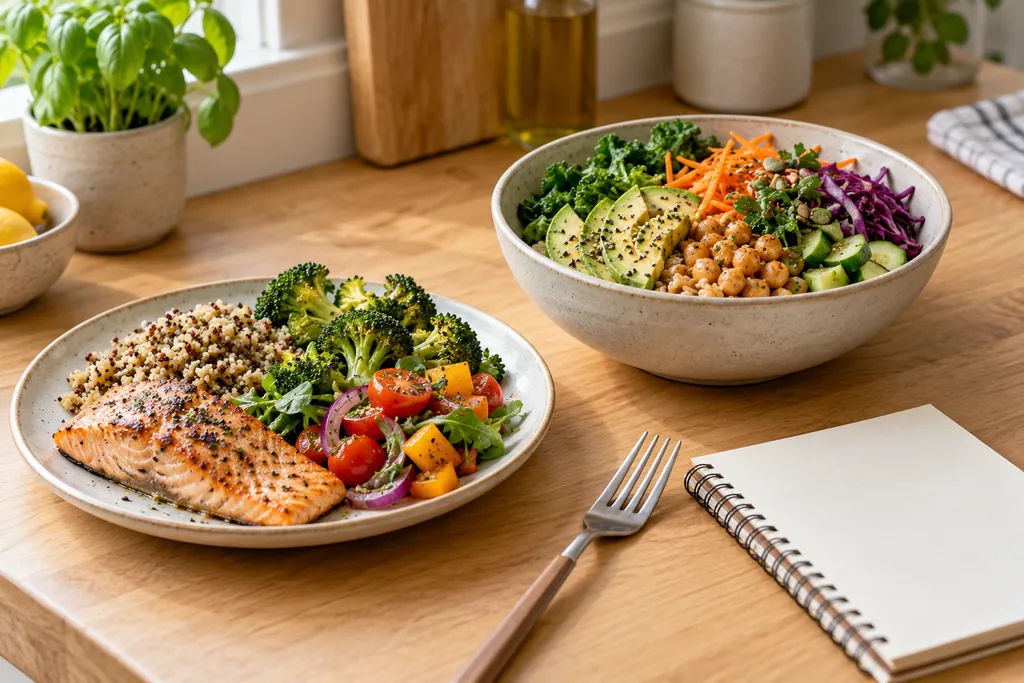
Pasta, bread, rice, potatoes, grains, and beans can help provide energy for training. Appropriate choices and amounts depend on activity, duration, goals, and personal circumstances; quality and fiber matter. Calling carbohydrates “the enemy” confuses an entire food group with specific habits or excess intake. They do not automatically turn into fat because you eat them at dinner. Meal timing can be personalized around training, digestion, and medical needs, which is different from banning evening carbohydrates for everyone. Do not remove food groups because of a rule heard in a locker room. [123] [124] [125] [126]
Carbohydrates: three useful questions
Fat is necessary for cell function and the absorption of fat-soluble vitamins. Generally, favor unsaturated fats from foods such as olive oil, nuts, seeds, and fish, replacing some saturated fat from butter, fatty meats, and certain cheeses. Plant oils such as coconut and palm are also high in saturated fat. WHO recommends avoiding trans fats, particularly industrially produced types. “Good” does not mean unlimited: portions and the overall eating pattern matter. For personal dietary needs, consult a qualified medical nutrition professional. [117] [127] [128]
Fat: consider the quality
“Planned flexible meal” is clearer here than “free lunch.” Pizza or a different meal can fit an individualized approach, depending on goals and clinical guidance. There is no universal entitlement to unlimited “cheating” once a week, nor robust evidence that one meal magically resets metabolism. Flexibility may help some people, but framing food as a reward, failure, or loss of control can backfire. Discuss it with the professional guiding your nutrition. Avoid punitive fasting or compensatory workouts. Variety and enjoyment belong in a sustainable approach, beyond eating only chicken breast or tuna. [129] [117]
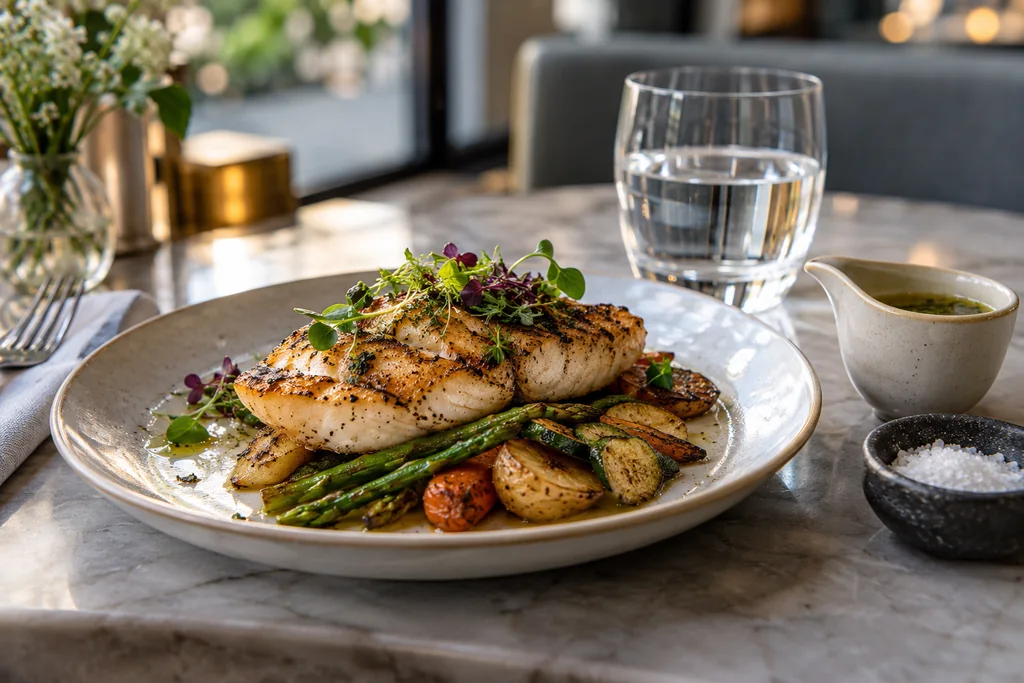
Restaurants can remain part of life during a nutrition plan. Portions, oils, sauces, alcohol, and salt may differ from what you use at home and be harder to estimate. Sodium is necessary, but habitual excess can raise blood pressure and may increase fluid retention. A scale change after one meal does not by itself prove fat gain. You can request dressings on the side, taste before adding salt, and choose dishes and amounts consistent with your agreed plan. Social connection and thoughtful choices can coexist without extreme compensation the next day. [130] [131] [132]
Very-low-energy diets can have specific clinical uses with nutritional completeness and specialist supervision. They are not something to improvise to get ready for summer faster. Prolonged fasting, juice-only or severely limited-food plans, and “detox” programs can cause nutrient shortfalls, weakness, or imbalances. Laxatives can cause diarrhea and dehydration; losing fluid is not the same as losing fat. With diabetes, medication, or other personal circumstances, major changes require healthcare advice. A qualified medical nutrition professional assesses needs, goals, and risks; a trainer’s workout plan is not a dietary prescription. [133] [134]
Consistency, enjoyment, real life
Training can fit alongside dinner with friends and your favorite foods. Build practical habits around your needs. Eating does not have to become another test to pass. [135]
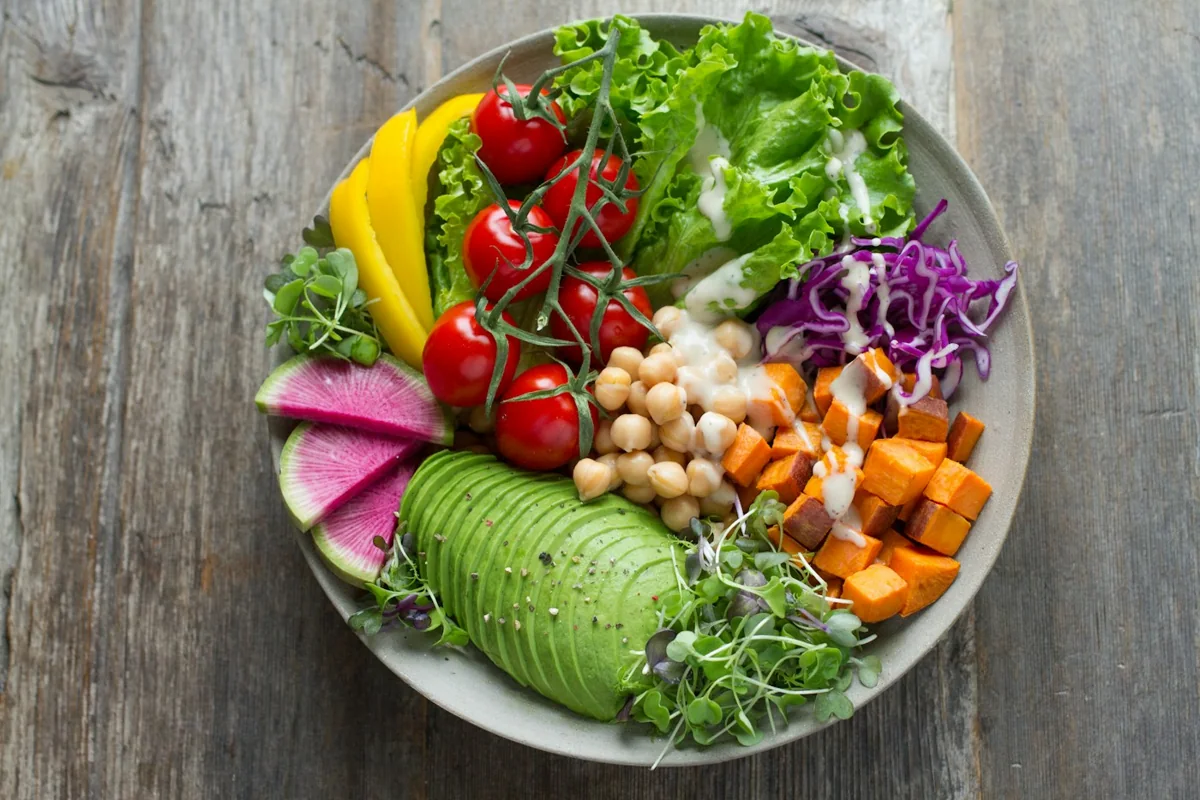
Think about nutritional balance across a day and a week, rather than demanding a perfect plate at every meal. Include different grains, vegetables, fruits, and protein sources; consider drinks and dressings, too. One meal cannot describe your entire eating pattern. [136]
Pizza, dessert, or a restaurant meal can fit your needs and portions. Call it a flexible meal instead of a guilty cheat: you do not have to earn it through exercise or punish yourself afterward. Enjoying food with other people matters, too. [135]
Plan simple meals, keep versatile ingredients available, and choose what to enjoy when eating out. The next day, return to your agreed routine: skip compensatory fasting and punitive workouts intended to erase dinner.
Weight loss and muscle growth call for different assessments, rather than universal lists of approved foods. A qualified nutrition professional can adapt the approach to your health, activity, and preferences. If food or exercise becomes a source of anxiety, talk with a healthcare professional. [117]
Information checked on
11
A voice from literature
water is the only drink for a wise man
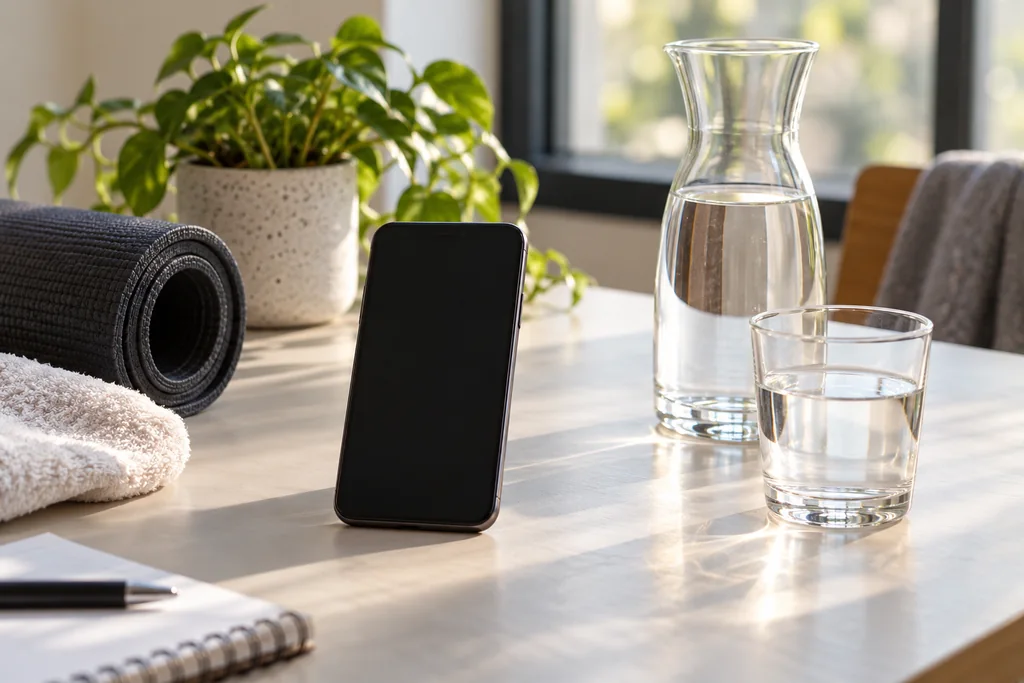
An app can help log drinks and remind you to drink, but does not independently measure your hydration status. Google Health, for example, documents water-logging features. Needs also depend on heat, activity, food and personal circumstances: do not force fluids simply to complete a target on a screen. Any medical advice about fluid intake takes priority. Review permissions and privacy before choosing a service, and avoid sharing unnecessary information. An attractive dashboard is a record of data, not a personalized medical recommendation. [138] [139]
Minerals are nutrients the body needs to function. When certain substances dissolve in body fluids as electrically charged particles, they are called electrolytes; examples include sodium, chloride, potassium, calcium, and magnesium. They support fluid balance and nerve and muscle function, including the heart. You need them every day, including during exercise. Taking them in a workout does not automatically create extra strength. Food and drinks are ordinary sources, while heavy sweating, illness, and some medications can affect the balance. [140] [141]
Electrolytes work even when you cannot see them
Heavy sweating, heat, and prolonged activity may call for a plan addressing fluids and electrolytes, particularly sodium lost through sweat. Sports drinks are not needed for every workout. They may also contain carbohydrates, serving a different purpose from plain water or a mineral supplement. The choice and amount depend on context. Do not take random salt, potassium, or magnesium, especially with kidney conditions or medication. High supplemental magnesium doses can cause diarrhea and other problems. A healthcare professional can assess your needs and risks. [142] [143] [144]
Dehydration occurs when you lose more fluid than you take in. It can cause thirst, fatigue, dizziness, and reduced urination, and can become serious. Drinking excessively compared with what your body can manage can instead dilute blood sodium: this is hyponatremia. Severe acute cases can cause brain swelling, seizures, coma, and death. This is a reason to avoid forced targets and drinking contests, rather than fear normal water intake. No universal maximum applies to everyone: intake rate, losses, kidneys, medication, and medical conditions matter. [145] [146] [147]
Balance matters more than the counter
During prolonged exercise, even electrolyte drinks cannot prevent hyponatremia if you keep drinking excessively. Use everyday reminders with judgment; discuss an appropriate plan for long events or medical needs. Do not try to correct a suspected imbalance with random salt or supplements. Severe confusion, seizures, or loss of consciousness require emergency medical help. Milder symptoms have many possible causes: seek healthcare advice if they persist or worsen, rather than deciding on your own that you simply need much more water. [148] [147] [145]

Log water in a daily journal: your phone does not automatically measure how much you drink. Features and requirements may change.


Official links checked October 29, 2026
12
A voice from literature
There is a measure in things
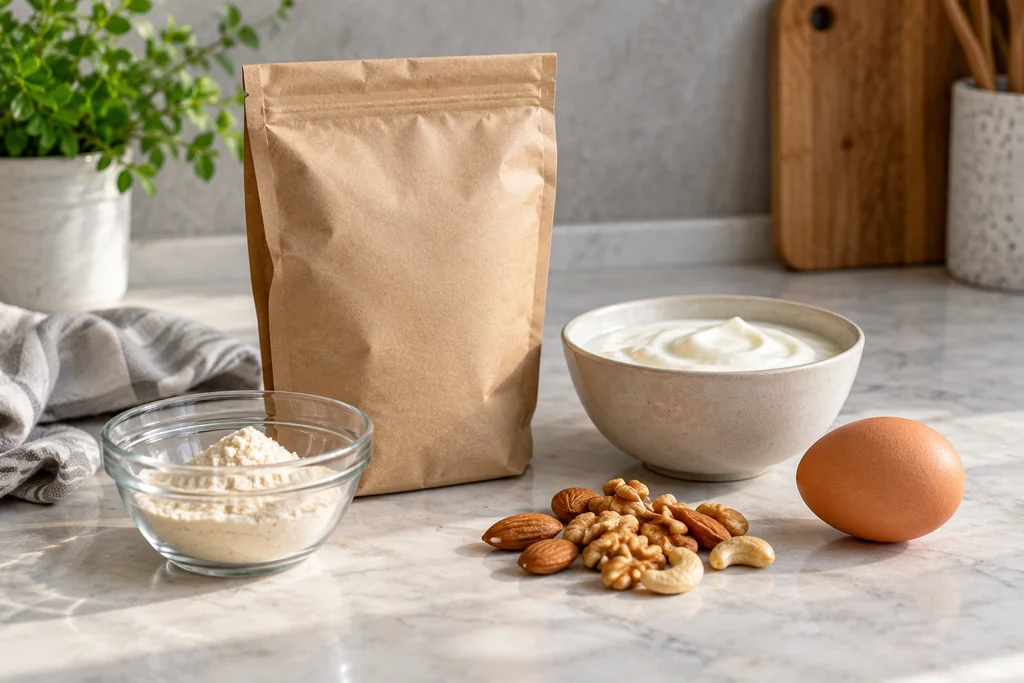
Protein powder can be a convenient way to supplement an intake you cannot meet through food, but it is not mandatory and does not replace an adequate diet. Review ingredients, allergens, actual protein content, and individual needs. Prozis, Myprotein, and Bulk are three examples with Italian catalogs. Their links receive equal visibility without rankings or discount codes. A commercial catalog is not clinical evidence for every product. Check shipping destination, language, and seller terms. Ask a qualified healthcare professional about medical or individual nutritional needs. [150]
Three retailers, equal space. Direct links with no affiliate tracking. Trademarks and logos belong to their respective owners.
Not every shake contains the same things. These common sports-catalog ingredients help you learn to read a label, rather than follow a recipe. Evidence concerns specific substances and settings, not every commercial blend. Food, training, and sleep remain the foundation.
| Ingredient | What it is | Evidence and limits |
|---|---|---|
Whey and casein | Milk proteins supplying amino acids for tissue building and repair. | Powders are convenient, rather than required. Check allergens and lactose tolerance. |
Plant protein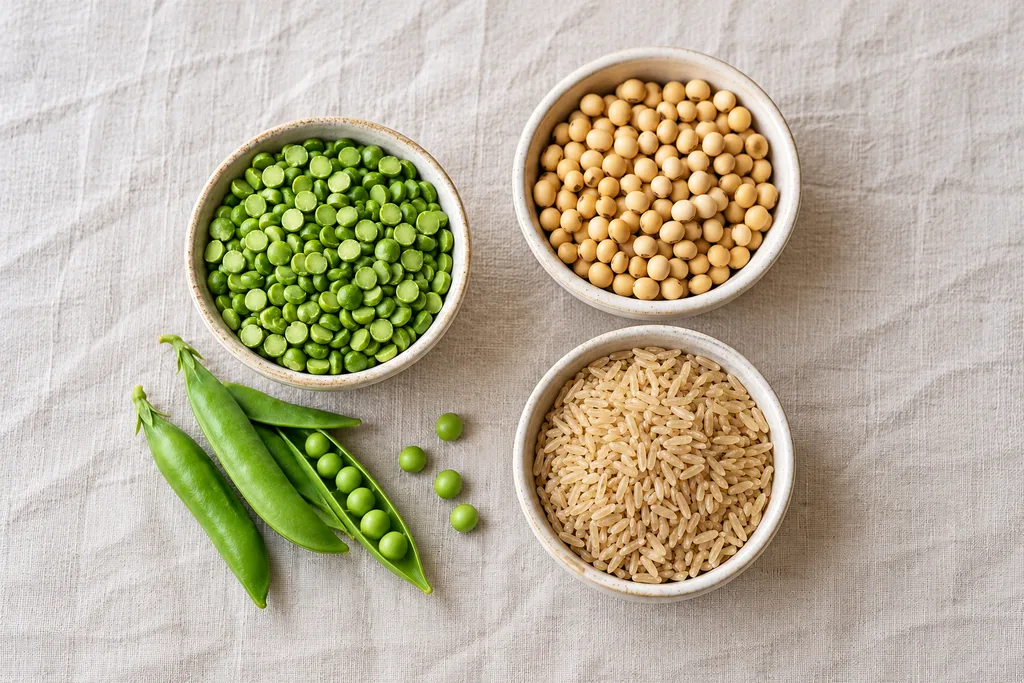 | Made from sources such as soy, pea, or rice. | Sources and blends have different amino acid profiles. The overall diet matters more than a “vegan” label alone. |
| Creatine monohydrate | Already present in the body and some foods; supports repeated short, intense efforts. | Well studied, and not an anabolic steroid. Early weight gain can include water, rather than just muscle. It does not replace training. |
| L-carnitine | Helps move fatty acids into mitochondria for energy production. A healthy body normally makes enough. | That role does not make it an automatic “fat burner”: performance and weight-loss findings are mixed. Digestive side effects are possible. |
| BCAAs and EAAs | EAAs are essential amino acids that must come from food. BCAAs are three of them: leucine, isoleucine, and valine. | They already occur in dietary protein. Adding BCAAs with adequate protein intake has no well-established extra benefit; they are not a complete protein. |
| Glutamine | An amino acid made by the body and found in protein-containing foods. | Evidence for extra performance, muscle, or recovery benefits is limited. Clinical uses in ill patients do not establish a benefit for everyone who exercises. |
| Beta-alanine | An amino acid that contributes to muscle carnosine, which helps buffer acidity during intense efforts. | Potential benefits are specific to certain activities after ongoing use, rather than an instant boost. Tingling can occur; it does not prove effectiveness. |
| Citrulline and arginine | Amino acids often marketed in “pump” products with blood-flow claims. | Performance evidence is limited or conflicting. A temporary full-muscle feeling differs from lasting growth; digestive discomfort is possible. |
Caffeine and pre-workouts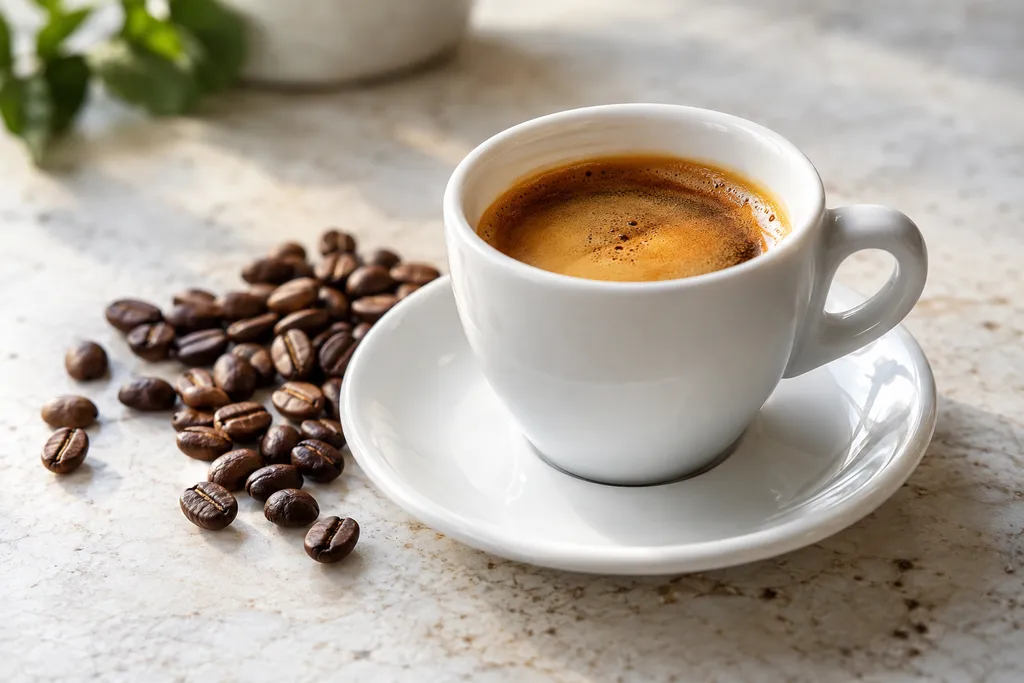 | Caffeine is a stimulant; a pre-workout is a commercial blend, not a single ingredient. | It may help some performances, but can disrupt sleep and cause anxiety or palpitations. Check every ingredient and avoid stacking stimulant sources. Pure or highly concentrated caffeine powders can be lethal. |
| Carbohydrates and electrolytes | Maltodextrin and other carbohydrates provide fuel; electrolytes can replace certain sweat losses. | Usefulness depends on duration, intensity, heat, and sweating. They are not automatic requirements for every workout. A sports drink is different from a stimulant energy drink. |
Do not improvise combinations or doses. Show the label to a physician, pharmacist, or qualified nutrition professional, especially with medication, kidney or heart conditions, pregnancy, breastfeeding, or for anyone under 18. “Natural” does not mean harmless. Sport-specific independent testing can reduce contamination risk without eliminating it or proving effectiveness. Inclusion in Italy’s supplement register is not product authorization or an attestation of compliance.
13
A voice from literature
Sleep that knits up the ravell’d sleave of care,

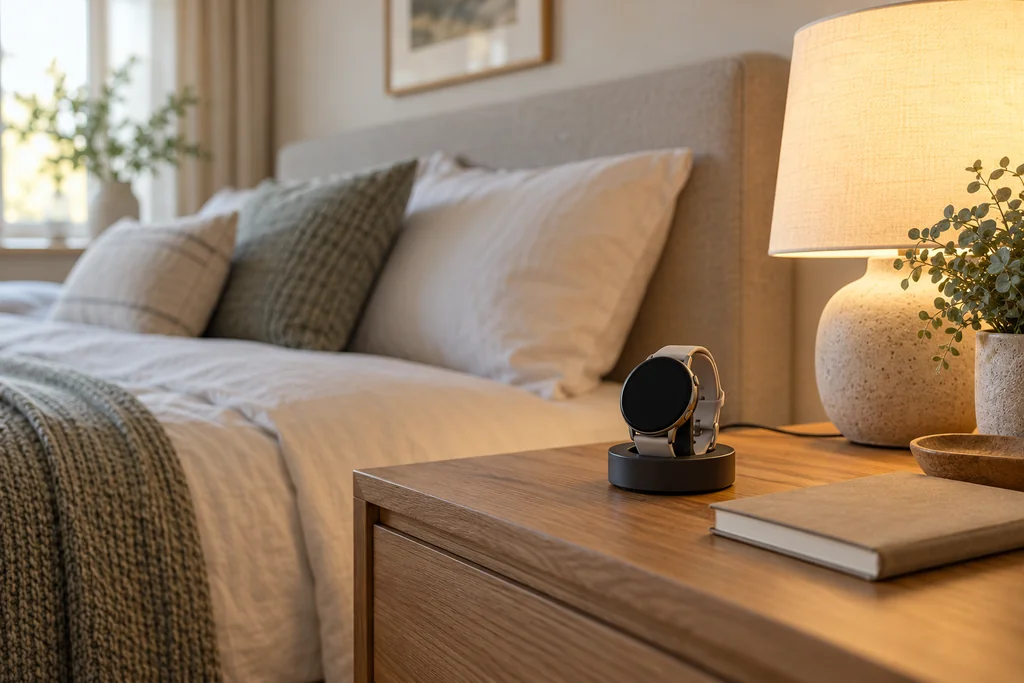
For adults aged 18 to 60, the CDC recommends at least seven hours of sleep, with needs varying by age and circumstances. Quality matters alongside duration: regularity and recovery deserve time in your schedule. Compatible apps and devices, including those described by Apple, can record or estimate sleep duration and stages. Consumer tracking is an observation tool, not a diagnosis; a reassuring score cannot rule out a disorder. Discuss persistent poor sleep or significant daytime sleepiness with a healthcare professional. [166] [167] [168] [169] [170]
Sleep: CDC recommendations for adults
14
A voice from literature
The greatest thing in the world is knowing how to belong to oneself.
Avoiding alcohol before exercise, the preceding evening and during recovery is a prudent choice. A hangover can impair attention and coordination even after blood alcohol returns to zero, while drinking can disturb sleep. There is no universal waiting period that makes every session safe after drinking. If you remain affected or feel unwell, notify your trainer and postpone: sweating through a workout is not a cure. After training, give recovery priority and do not use alcoholic drinks to rehydrate. [172] [173]
Avoiding tobacco and recreational drugs is a health choice extending beyond the hour spent in a gym. Smoking harms the heart and lungs; moving a cigarette further from a lesson does not make it harmless. Some drugs affect perception, heart rate and temperature, with unpredictable effects alongside alcohol or medication. Do not arrive for training under their influence or try to counter their effects through intense exercise. If stopping is difficult, healthcare support can help you take the next step. [174] [175]
Taking psychiatric medication does not automatically mean avoiding physical activity. Before starting, following treatment changes or when exercising in heat, ask your prescribing doctor about precautions relevant to you. Some medicines affect alertness, blood pressure, sweating or temperature regulation. Do not stop treatment or change doses to fit a workout; avoid combining medication with alcohol or recreational drugs. Your trainer can adapt exercise to the guidance received, but cannot assess medication risks or replace the clinician responsible for your care. [176] [177] [178] [179] [180]
Social connection and informed choices
You can enjoy being with other people without drinking alcohol. No alcoholic drink is automatically healthy: WHO states that no alcohol consumption is risk-free. Do not start drinking for your heart, your training, or to feel included in a group. [181]
Ethanol is not a carbohydrate: it supplies about 7 calories per gram. Beer can contain carbs; some unsweetened distilled spirits contain very little carbohydrate but concentrated alcohol. Liqueurs, syrups, juices, and mixers may add sugar and energy. Check ingredients, serving size, and alcohol content: sugar-free does not mean calorie-free or risk-free. [182] [183]
Wine, champagne, and prosecco still contain ethanol. Bubbles, price, tradition, or natural ingredients do not cancel its risks; a dry drink may contain less sugar without becoming a healthy beverage. Amount, frequency, and context matter, but there is no universally safe serving to recommend here. Choosing a more expensive bottle changes none of that. [181]
Avoid alcohol before and during exercise; afterward, prioritize recovery, food, and hydration rather than treating beer or cocktails as sports drinks. A hangover can affect coordination and performance the next day: postpone your workout if you feel unwell. Sweating harder does not make training after drinking safe or cure a hangover. [184] [172]
Feel free to choose an alcohol-free drink and respect other people's choices. If you drink, avoid binge drinking and do not compensate by skipping meals. Avoid alcohol during pregnancy. With a medical condition or medications, including psychiatric drugs and sedatives, ask your clinician or pharmacist; do not stop prescribed treatment so you can drink. [181] [185]
Information checked on
15
A voice from literature
Look within; within is the fountain of all good.
In a doping context, a cycle means periods of anabolic steroid use alternating with breaks. This is different from organizing normal training into phases. Breaks and combinations of substances have not been shown to remove the risks of misuse. They are not shortcuts to experiment with for appearance. Medicines prescribed for a clinical need belong to a medical treatment plan: do not confuse that care with non-medical use or change prescribed treatment based on advice heard in a changing room. [187] [188]
Non-medical anabolic steroid use can cause cardiovascular, liver, kidney, hormonal, fertility and mental health problems, as well as dependence. If you are using them, talk with a doctor: the trainer does not offer cycles or protocols for managing their use. A stronger, more defined physique can be developed without steroids through progressive exercise, appropriate nutrition and recovery. Abdominal visibility also varies with genetics and body composition. There is no guaranteed six-pack and no need to pursue dehydration or extreme leanness. [189] [187] [28] [190]
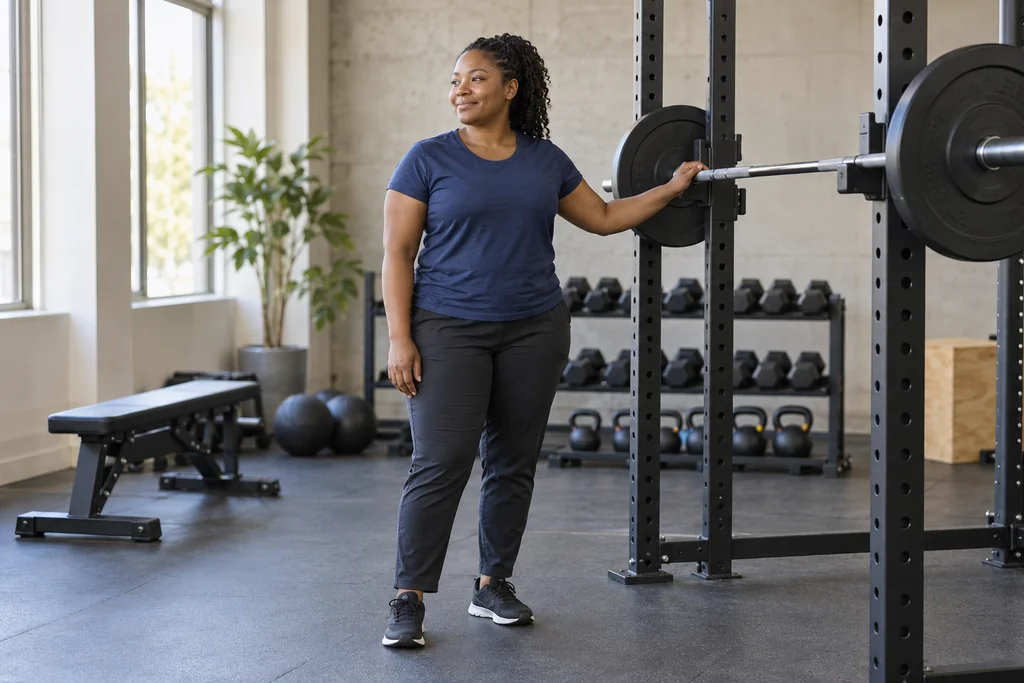
Training your trunk develops its strength and capacity, but doing many crunches does not guarantee fat loss specifically around your stomach. In a small trial, isolated abdominal exercises improved endurance without reducing abdominal fat. Appearance alone does not describe health, effort or personal worth. Agree on sustainable goals: movement quality, consistency and measurable improvements matter even when changes on the scales or in the mirror are slow. A useful program should support a life you can maintain beyond a photograph. [191]
Institutional sources, guidelines, research and technical documentation. Texts are in the indicated language; not every source has three translations. Foreign sources may describe services or local rules different from Italy. Product documentation describes app features, rather than certifying clinical accuracy. Courtesy and appointment advice is practical guidance, not research findings.
Archived copies show content at the date indicated and may predate updates to the original source.
The next step
Tell me where you're starting and where you want to go. Let's work out your next step.
Let's start with you